


A pendant light, suspended from the ceiling by a cord, chain, or rod, serves as both a functional illumination source and a decorative element. When selected for relaxed dining spaces, these fixtures can significantly influence the atmosphere. This article examines the role of chic pendant lighting in fostering a comfortable and inviting environment for dining.
Pendant lighting, at its core, is about directing light. In a dining room, this directionality is crucial for creating a palpable zone of focus. A well-chosen pendant acts like a spotlight on the table, a stage upon which the meal and the company are the performers. The quality of light Biosaglighting, its color temperature, and its intensity all contribute to this theatrical effect, shaping how individuals perceive the food and each other.
Defining “Relaxed” in a Dining Context
The term “relaxed” in relation to a dining space refers to an environment that promotes comfort, ease, and informality. This can manifest in various ways. It suggests a space where guests feel unburdened by formality, encouraged to converse freely and enjoy the act of dining without undue pressure. The decor, the seating, and indeed, the lighting, all play a part in cultivating this sense of ease.
Elements Contributing to a Relaxed Atmosphere
Beyond lighting, several other factors contribute to a relaxed dining ambiance. These include:
- Comfortable Seating: Upholstered chairs or banquettes can enhance comfort, inviting diners to linger.
- Appropriate Scale: Furniture and decor should be proportionate to the room’s size, avoiding a cramped or overly cavernous feel.
- Soft Textures: The inclusion of materials like linen, cotton, or wool can introduce a sense of warmth and tactility.
- Personal Touches: Artwork, plants, or personal mementos can imbue the space with character and make it feel lived-in.
- Natural Elements: Incorporating wood, stone, or plant life can ground the space and create a more organic feel.
The Role of Light in Shaping Perception
Light is not merely a tool for visibility; it is a sculptor of perception. The way light falls on surfaces, the shadows it casts, and its inherent warmth or coolness can alter moods and influence our experience. In a dining setting, this is particularly relevant.
Color Temperature and its Psychological Effects
The color temperature of lighting, measured in Kelvin (K), has a direct impact on perceived warmth and mood.
- Warm White (2700K-3000K): This range mimics natural candlelight and incandescent bulbs, creating a cozy, intimate, and relaxing atmosphere. It is often preferred for residential dining spaces where warmth and conversation are paramount.
- Neutral White (3500K-4000K): This temperature is more akin to daylight, offering a balanced and bright illumination. While it can be suitable for some dining areas, it may feel less intimate than warmer tones.
- Cool White (4500K and above): This range is associated with daylight and can make a space feel more energetic and clinical. It is generally not recommended for relaxed dining settings as it can be perceived as sterile.
Light Intensity and its Influence on Activity
The intensity of light, or brightness, dictates the level of activity and focus within a space.
- Dim lighting: Creates an intimate and subdued atmosphere, ideal for quiet dinners and romantic evenings. It encourages close-up interaction and a sense of privacy.
- Moderate lighting: Offers a balance between brightness and intimacy, suitable for family meals and casual gatherings. It allows for clear visibility without feeling harsh.
- Bright lighting: Can make a space feel more alert and energetic. While useful for task lighting or specific activities, it can detract from a relaxed dining experience.
Differentiating Pendant Lighting from Other Fixtures
Pendant lights are distinct from other common ceiling fixtures due to their suspended nature.
Pendant Lights vs. Chandeliers
While both pendants and chandeliers are decorative ceiling fixtures, they differ in structure and scale. A chandelier typically features multiple arms or tiers holding numerous light sources, designed to make a statement and provide broader illumination. A pendant, in contrast, is usually a single light source suspended by a cord, chain, or rod, often focusing light downwards. The inherent singular nature of a pendant allows for more precise control over where light is directed, making it a suitable choice for defining a dining area.
Pendant Lights vs. Recessed Lighting
Recessed lighting, also known as can lighting, is installed directly into the ceiling, flush with the surface. This type of lighting provides general ambient illumination and is designed to be unobtrusive. Pendant lights, however, are intentionally visible and draw attention, serving a dual purpose of illumination and aesthetic appeal. For a relaxed dining space, the deliberate visual presence of a pendant light offers a more engaging and personalized touch compared to the often-invisible nature of recessed lighting.
Styles of Chic Pendant Lights for Dining
The term “chic” in design denotes a sense of stylishness, sophistication, and fashionable appeal, often characterized by clean lines, thoughtful material choices, and an understated elegance. When applied to pendant lighting for dining spaces, it suggests fixtures that are aesthetically pleasing without being overly ornate or ostentatious.
Natural Materials: A Foundation for Warmth
The use of natural materials in pendant lighting can lend a relaxed and organic quality to the dining area. These materials often possess inherent warmth and textural interest.
Woven and Rattan Pendants
Pendants crafted from woven materials, such as rattan, cane, or bamboo, evoke a sense of casual sophistication. The intricate weave allows light to filter through, creating a dappled effect on surrounding surfaces, akin to sunlight filtering through leaves. This textural quality adds depth and visual interest without overwhelming the space.
- Aesthetic Qualities: Handcrafted textures, organic forms, and a light, airy feel.
- Luminosity: Diffused light creates a soft, inviting glow, reducing glare.
- Versatility: Can complement a range of decor styles, from bohemian to modern coastal.
Wooden Pendants and Accents
Wood, in its various forms, is a perennial favorite for its natural beauty and warmth. Wooden pendants can range from simple, minimalist designs to more intricately carved pieces.
- Types of Wood: Oak, walnut, maple, or even reclaimed wood can be used, each offering a distinct grain and color.
- Design Variations: From solid wood shades to geometric wooden frames holding exposed bulbs, the possibilities are diverse.
- Integration: Wooden pendants can bridge the gap between the lighting and other wooden elements in the dining room, such as furniture or flooring.
Minimalist Designs: Elegance in Simplicity
Minimalist design prioritizes functionality and eschews unnecessary adornment. In pendant lighting, this translates to clean lines, uncluttered forms, and a focus on the essential.
Geometric Pendants
Pendants shaped into simple geometric forms, such as spheres, cylinders, cubes, or multifaceted prisms, offer a modern and sophisticated aesthetic. These shapes are visually striking without demanding excessive attention.
- Material Flexibility: Can be fashioned from metal, glass, or even concrete, each contributing a different textural and visual quality.
- Spatial Impact: Their precise forms can help to define the dining area spatially.
- Light Control: The open or enclosed nature of the geometric form dictates the light distribution. For example, a fully enclosed sphere will diffuse light more evenly than an open octahedron.
Single Bulb and Linear Pendants
A single, well-designed bulb suspended by a minimalist cord or rod can be highly effective. Linear pendants, often featuring multiple bulbs aligned in a sleek fixture, provide focused light over a longer table.
- Exposed Bulb Focus: These designs often emphasize the aesthetic of the light bulb itself, encouraging the use of Edison-style or decorative LED bulbs.
- Streamlined Appearance: Their simplicity ensures they do not overpower the dining table.
- Task-Oriented Illumination: Linear pendants are particularly adept at illuminating the entirety of a rectangular dining table.
Industrial Chic: Embracing Raw Materials
The industrial aesthetic draws inspiration from factories, warehouses, and workshops, celebrating raw materials and exposed elements. When applied to pendant lighting, it lends a sense of character and authenticity.
Metal Finishes and Textures
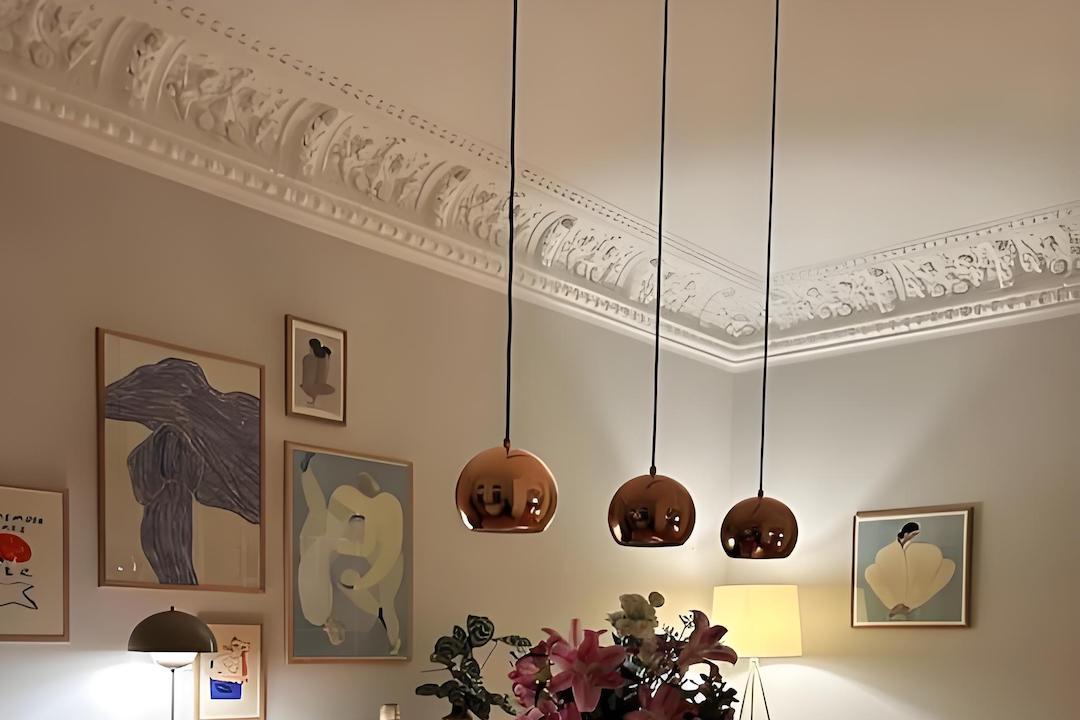
Metals such as iron, steel, brass, and copper are prevalent in industrial-chic pendant lighting. These materials are often left in their natural state or treated with finishes that enhance their raw appeal.
- Finishes: Matte black, brushed nickel, antique brass, or distressed patinas can add depth and visual interest.
- Exposed Hardware: Visible nuts, bolts, and joint mechanisms contribute to the industrial character.
- Durability: Metal fixtures often convey a sense of robustness and longevity.
Cage and Dome Pendants
Pendants featuring metal cages around the bulb or classic dome-shaped metal shades are hallmarks of the industrial style.
- Cage Pendants: The cage protects the bulb and creates a distinctive visual pattern as light emanates through the openings.
- Dome Pendants: These offer a more directed downward light, ideal for illuminating the table surface. Their utilitarian form speaks to their industrial origins.
Glass and Crystal: Transparency and Refraction
Glass and crystal pendant lights offer distinct qualities that can enhance a dining space. Their transparency allows light to pass through, and their refractive properties can create beautiful visual effects.
Frosted and Opal Glass
Frosted or opal glass diffuses light, creating a soft, even glow that minimizes glare. These types of glass provide a more subdued illumination.
- Softening Effect: The diffusion prevents harsh shadows and creates a gentle ambiance.
- Uniform Distribution: Light is spread more evenly, reducing hot spots.
- Clean Aesthetic: Often feature in more contemporary or transitional designs.
Clear Glass and Globe Pendants
Clear glass, particularly in globe or spherical shapes, offers an unobstructed view of the light source within.
- Modern Appeal: Simple clear glass globes can lend a contemporary feel.
- Highlighting the Bulb: These designs are ideal for showcasing decorative LED bulbs.
- Reflective Qualities: The glass can indirectly reflect ambient light, contributing to the overall luminosity of the space.
Crystal Accents and Pendants
While true crystal can be expensive, many pendants incorporate glass elements designed to mimic the sparkle and refraction of crystal.
- Sparkle and Shine: The prismatic effect of crystal can add a touch of glamour and visual dynamism.
- Light Play: When lit, crystal elements can cast intricate patterns of light and shadow.
- Balancing Opulence: For a relaxed space, crystal accents are often used judiciously rather than in overwhelming quantities.
Placement and Scale: Optimizing Pendant Lighting
The effectiveness of pendant lighting in a dining space is not solely determined by its style but also by its strategic placement and appropriate scale relative to the dining table and the room.
Height Considerations: Finding the Sweet Spot
The height at which a pendant light is hung is critical for both functionality and aesthetics.
Ensuring Clear Sightlines
The primary consideration for pendant height above a dining table is to ensure that diners can maintain eye contact without obstruction. A general guideline suggests hanging pendants between 30 to 36 inches (76 to 91 cm) above the tabletop. This height allows for adequate illumination of the table surface while keeping the fixture out of the direct line of sight of seated individuals.
Creating a Sense of Enclosure
Lowering a pendant light can create a more intimate and enclosed feeling around the dining table, further enhancing the sense of a dedicated zone for dining and conversation. Conversely, hanging a pendant too high can make the space feel less cohesive and the light less effective over the table.
Tabletop Proportions: A Balanced Relationship
The size and shape of the pendant light should be in proportion to the dining table.
Single Pendant for Smaller Tables
For smaller, round, or square dining tables, a single, well-proportioned pendant light is often sufficient to provide adequate illumination and create a focal point. The diameter of the pendant should ideally be about half to two-thirds the width of the table.
Multiple Pendants for Larger Tables
Longer, rectangular dining tables can benefit from multiple pendant lights hung in a linear arrangement. This ensures that the entire length of the table is evenly illuminated. The spacing between pendants should be considered to avoid creating dark spots or overly bright areas. A common approach is to divide the table into thirds, with a pendant centering each section, or to space them evenly with consideration for the distance from the table edges.
Room Scale Integration: Harmony with Surroundings
Beyond the table itself, the overall scale of the dining room should inform the choice of pendant lighting.
Avoiding Overwhelm or Understatement
A pendant that is too large for a small dining room can dominate the space and feel overwhelming. Conversely, a diminutive pendant in a grand dining room can appear lost and offer insufficient illumination. It is important to consider the ceiling height and the overall dimensions of the room when selecting a fixture. The visual weight of the pendant should feel balanced within the architectural context of the dining area.
Defining the Dining Zone
In open-plan living spaces, pendant lighting plays a crucial role in visually defining the dining area from other zones, such as the living room or kitchen. The pendant acts as an anchor, clearly delineating the boundaries of the dining space and contributing to a sense of purpose within the larger environment.
Creating a Relaxed Ambiance with Dimming Controls
The ability to adjust the intensity of lighting is fundamental to creating a flexible and relaxed dining environment. Dimming controls allow for the adaptation of light levels to suit different occasions and moods.
The Importance of Dimmable Fixtures
Not all pendant lights are inherently dimmable. It is essential to select fixtures and compatible bulbs that allow for varying light intensity.
Bulb Compatibility
When choosing pendant lights, ensure they are designed to work with dimmable LED bulbs or incandescent bulbs if preferred. The lumen output and wattage of the bulbs will influence the achievable brightness levels.
Switch Integration
The dimmer switch can be a standalone unit or integrated into the existing electrical wiring of the room. Smart home technology also offers app-controlled dimming solutions, providing an even greater degree of control and customization.
Adapting Light Levels for Different Occasions
The flexibility offered by dimming controls allows for a nuanced approach to lighting a dining space.
Intimate Dinners
For romantic evenings or quiet, intimate dinners, dimming the lights to a low setting creates a cozy and secluded atmosphere. This soft illumination encourages close conversation and a sense of privacy. The shadows that are cast become part of the ambiance, adding depth and intrigue.
Social Gatherings
During more lively social gatherings, the lighting can be increased to a moderate level, facilitating visibility and encouraging interaction. This brighter setting allows guests to clearly see each other and the food being served, promoting a convivial atmosphere. The light can be carefully directed to avoid creating harsh shadows that might detract from the mood.
Task-Oriented Needs
While the primary goal is relaxation, there may be occasions for brighter, more task-oriented lighting, such as when prepping food at the table or for activities like board games. The dimmer allows for quick adjustments to accommodate these needs.
Maintenance and Practical Considerations
Beyond aesthetics, practical aspects of pendant lighting, such as cleaning and bulb replacement, are important for long-term enjoyment.
Cleaning and Care for Various Materials
Different materials require specific cleaning methods to maintain their appearance.
Metal Fixtures
Metal pendants can typically be cleaned with a soft, damp cloth. For more stubborn dirt or fingerprints, a mild detergent can be used, followed by a thorough drying. Avoid abrasive cleaners, which can scratch the finish. For brass or copper, specialized metal polishes can be used to restore shine.
Glass and Crystal
Glass and crystal pendants can be cleaned using glass cleaner and a lint-free cloth. For intricate crystal elements, a gentle approach with a soft brush may be necessary to remove dust. It is important to ensure all cleaning solutions are thoroughly dried to prevent water spots.
Woven and Natural Materials
Woven materials like rattan or bamboo can often be cleaned with a dry or slightly damp cloth. For more thorough cleaning, a vacuum cleaner with a brush attachment can be used to remove dust from crevices. It is important to avoid excessive moisture, which can damage these materials.
Bulb Replacement and Lifespan
The ease of bulb replacement varies depending on the design of the pendant light.
Accessibility of the Light Source
Some pendant designs offer easy access to the bulb socket, allowing for simple screw-in or clip-in replacement. Others may require minor disassembly of the fixture. It is advisable to consider this accessibility during the selection process, especially if frequent bulb changes are anticipated.
LED Technology and Longevity
The widespread adoption of LED technology has significantly reduced the frequency of bulb replacement due to the extended lifespan of LED bulbs. Many LED bulbs are rated for tens of thousands of hours of use, offering a low-maintenance lighting solution. This longevity contributes to the overall practicality and eco-friendliness of modern pendant lighting.
By carefully considering the style, placement, scale, and practical aspects of pendant lighting, you can transform a dining space into a chic and inviting area conducive to relaxed and enjoyable meals. The interplay of light, material, and form creates an atmosphere that is both functional and aesthetically pleasing, turning the simple act of dining into an elevated experience.

