

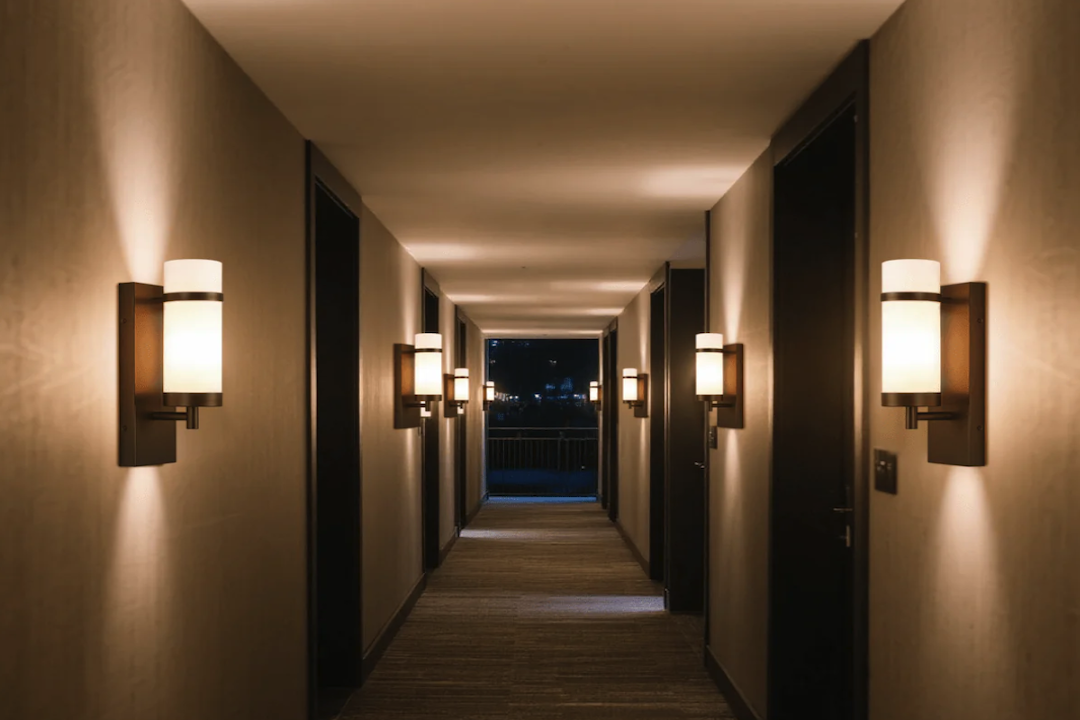
A smoked glass wall sconce is a lighting fixture designed for installation on walls, typically in a corridor setting within a hotel. Its primary function is to provide illumination, enhance the aesthetic of the space, and contribute to the overall ambiance of the establishment. The use of smoked glass is a design characteristic that influences the diffusion of light and the visual appearance of the fixture.
The design of a smoked glass wall sconce Zeveau for hotel corridors is a significant factor in its performance and suitability for its intended environment. These fixtures are often conceived with a minimalist approach, emphasizing clean lines and subtle details to complement the architectural style of a hotel without overwhelming it. The objective is to integrate seamlessly into the hallway, acting as a functional art piece rather than a dominant element.
Visual Aesthetics and Material Choice
The choice of smoked glass is central to the visual appeal of these sconces. Smoked glass, commonly achieved through the addition of metallic oxides during the glass manufacturing process or through surface treatments, possesses a translucent quality with a darkened tint. This tint is typically a grey or brown hue, varying in intensity.
- Light Diffusion and Glow: Unlike clear glass, smoked glass diffuses light more softly. When illuminated, it produces a diffused glow rather than a sharp beam. This characteristic is crucial for hotel corridors, where harsh lighting can be detrimental to guest comfort and create an unwelcoming atmosphere. The diffused light spreads evenly, reducing glare and creating a more tranquil ambiance. It’s like a whisper of light rather than a shout.
- Color Temperature Influence: The color of the smoke tint can subtly influence the perceived color temperature of the light emitted. A grey tint might allow the true color of the light bulb to pass through with less alteration, while a brown tint can impart a warmer, more amber tone to the illumination. This allows designers to fine-tune the mood of the corridor.
Fixture Housing and Mounting
Beyond the glass element, the housing and mounting mechanism of the sconce are equally important for durability, safety, and integration with building infrastructure.
- Material Options: The metal components of the sconce, which typically include the backplate, stem, and any decorative bezels, are often constructed from materials like brass, steel, or aluminum. These metals are chosen for their strength, corrosion resistance, and ability to be finished in various ways.
- Brass: Often used for its classic appeal and ability to develop a patina over time, brass offers a luxurious feel. It can be polished, brushed, or lacquered to achieve different finishes.
- Steel (Stainless or Mild): Stainless steel provides excellent durability and resistance to rust, making it a practical choice for high-traffic areas. Mild steel, when properly treated and finished (e.g., powder-coated, plated), can offer a wide range of aesthetic possibilities.
- Aluminum: Lightweight and corrosion-resistant, aluminum is often used for its cost-effectiveness and ease of shaping.
- Mounting Systems: Sconces are designed to be securely attached to the wall. This usually involves a backplate that conceals the electrical connections and mounting hardware. The design of the backplate ensures a flush and stable fit against the wall surface.
- Wall Attachment: The connection to the building’s structure is paramount for safety and longevity. Mounting systems are engineered to withstand normal use and potential minor impacts.
- Finishes: The metallic finishes play a vital role in the overall design.
- Brushed Nickel/Steel: Offers a subtle, matte sheen that is contemporary and resists fingerprints.
- Polished Chrome: Provides a bright, reflective surface that adds a modern, sometimes minimalist, touch.
- Bronze/Aged Brass: Evokes a classic or traditional feel, often chosen for hotels with heritage or classical architectural elements.
- Powder Coating: Allows for a wide spectrum of colors and textures, offering a matte or satin finish that can be applied to various metals.
Illumination Characteristics and Performance
The way a smoked glass wall sconce illuminates a hotel corridor is as critical as its appearance. The design considerations are geared towards providing adequate light levels while contributing to a desired atmosphere.
Light Output and Distribution
The primary purpose of a wall sconce in a corridor is to provide illumination for safe navigation and to create a visual guide. The output and distribution of light are carefully managed.
- Lumens and Brightness: The lumen output of the light source (bulbs) determines the overall brightness of the sconce. Hotel corridors typically require a moderate level of illumination, sufficient for guests to see their way without feeling exposed or overwhelmed. Excessive brightness can be intrusive.
- Light Pattern: The smoked glass, coupled with the internal reflector or diffuser (if present), shapes the light pattern.
- Downward or Upward Illumination: Many corridor sconces are designed to direct light either downwards, illuminating the path directly in front of the fixture, or upwards, casting a softer glow onto the ceiling and indirectly illuminating the corridor. Some designs may feature both upward and downward light components.
- Ambient Light Contribution: The diffused nature of the smoked glass means the sconce also contributes to the general ambient lighting of the corridor, preventing harsh shadows and creating a more uniform and welcoming environment. This approach is akin to a controlled diffusion, preventing the light from becoming an interrogation lamp.
Bulb Type and Energy Efficiency
The choice of bulb technology significantly impacts the sconce’s performance, maintenance, and operational cost.
- Incandescent (Less Common): Historically, incandescent bulbs were used. They produced a warm light but were inefficient and had a short lifespan. Their use is now largely obsolete in commercial settings due to energy regulations and the availability of better alternatives.
- Color Rendering Index (CRI): Incandescent bulbs generally have a high CRI, meaning they render colors accurately, which can be a desirable trait for showcasing the hotel’s interior design.
- Halogen: A more efficient alternative to incandescent bulbs, halogen bulbs also offer good color rendering. However, they have largely been superseded by LED technology.
- Compact Fluorescent Lamps (CFLs): Offer moderate energy savings over incandescent bulbs but can sometimes exhibit a less desirable light quality and may take time to reach full brightness.
- LED (Light Emitting Diode): This is the dominant technology for modern hotel lighting.
- Energy Efficiency: LEDs are significantly more energy-efficient than older bulb types, leading to substantial cost savings on electricity bills.
- Longevity: LEDs have a very long operational lifespan, reducing the frequency of bulb replacements and associated maintenance costs.
- Color Temperature Control: LEDs are available in a wide range of color temperatures, allowing for precise control over the ambiance, from warm white to cool white.
- Dimmability: Many LED bulbs are dimmable, providing flexibility in controlling light levels and further enhancing energy savings.
Integration into Hotel Design and Ambiance
The selection and placement of smoked glass wall sconces are not arbitrary decisions. They are integral components of a broader interior design strategy aimed at creating a specific guest experience.
Corridor Functionality and Wayfinding
Hotel corridors serve a dual purpose: facilitating movement between rooms and common areas, and acting as a visual introduction to individual guest rooms.
- Navigation: Adequate lighting is essential for guests to navigate the corridors safely and efficiently, especially during periods of lower ambient light. The sconces provide consistent illumination, guiding guests to their destinations.
- Room Identification: The placement of sconces can subtly delineate individual room entrances. The light emanating from the sconce near a door can draw attention to the room number and the entrance itself.
- Reducing Monotony: Long, unvarying corridors can feel monotonous. Wall sconces break up the visual plane of the wall, adding visual interest and texture.
Creating a Guest Experience
Beyond pure functionality, the lighting plays a crucial role in shaping the guest’s perception of the hotel.
- Ambiance and Mood: The diffused, soft light from smoked glass sconces contributes to a serene and welcoming atmosphere. This is particularly important in corridors, which are often the first impression a guest has upon leaving their room. Harsh, direct lighting can feel cold or sterile, while overly dim lighting might feel unsafe.
- Luxury and Refinement: The use of materials like smoked glass and thoughtfully chosen metal finishes can elevate the perceived quality and luxury of the hotel. It communicates attention to detail and a commitment to guest comfort. The subtle shimmer of light through smoked glass can feel like a gentle invitation, rather than a stark command.
- Brand Identity: The lighting scheme, including the choice of sconces, can contribute to the hotel’s overall brand identity. A boutique hotel might opt for more decorative or artistic sconces, while a business hotel might prioritize a sleek, modern, and functional design.
Architectural Harmony
The design of the sconce should complement the architectural style of the hotel.
- Modern Hotels: Sleek, minimalist sconces with clean lines and brushed metal finishes would be appropriate. The smoked glass adds a touch of sophistication without being overly ornate.
- Traditional or Boutique Hotels: Sconces with more classic shapes, perhaps with decorative detailing on the metalwork or a warmer smoked glass tint, might be preferred.
- Contextual Placement: The height at which sconces are mounted, and the spacing between them, are carefully considered in relation to the ceiling height, wall width, and architectural features of the corridor. Too high, and they may not illuminate the path effectively; too low, and they could be a tripping hazard or appear visually unbalanced.
Installation and Maintenance Considerations
The practical aspects of installing and maintaining smoked glass wall sconces are significant for hotel operations. These fixtures need to be robust, easy to service, and safe.
Electrical Connections and Safety Standards
Proper electrical installation is paramount for the safety of guests and staff, and for the longevity of the fixture.
- Wiring: Sconces are connected to the hotel’s electrical system. This typically involves wiring to a junction box concealed within the wall. Professional electricians must ensure that all connections are secure and meet local electrical codes.
- Building Codes and Regulations: Hotel lighting fixtures must comply with various building codes and safety standards related to electrical installations, fire resistance, and egress lighting.
- Voltage Compatibility: The sconces and their associated light bulbs must be compatible with the hotel’s standard electrical voltage (e.g., 120V or 240V depending on the region).
Mounting and Durability
The mounting mechanism is designed for secure attachment to the wall, ensuring the sconce remains in place under normal operating conditions.
- Wall Substrate: The type of wall material (e.g., drywall, concrete, plaster) influences the mounting hardware required. Specialized anchors may be necessary for different substrates.
- Impact Resistance: Hotel corridors are high-traffic areas, and fixtures should be reasonably resistant to minor impacts. The design of the housing and the robustness of the mounting contribute to this durability.
- Vibration: While less of a concern in hotel corridors than, say, near an industrial area, the mounting should ensure the fixture remains stable and does not rattle or vibrate with building systems.
Cleaning and Replacement
Regular maintenance is essential to keep the fixtures looking their best and functioning correctly.
- Cleaning Glass: Smoked glass typically requires gentle cleaning methods to avoid scratching or damaging the tint. Soft cloths and non-abrasive cleaning solutions are recommended. Specific protocols may be established by hotel management for housekeeping staff.
- Lamp Replacement: The ease of replacing the light bulb is an important design consideration. Fixtures that require complex disassembly for a simple bulb change can increase maintenance time and labor costs. Tool-free access, where possible, is a valuable feature.
- Bulb Technology Impact: The long lifespan of LED bulbs significantly reduces the frequency of replacements, thus minimizing maintenance effort and associated costs. This is a key driver for their adoption in hospitality settings.
- Fixture Inspection: Periodic inspection of the sconce, including the wiring, mounting, and glass components, can identify potential issues before they become serious problems.
Case Studies and Applications
Examining how smoked glass wall sconces are employed in various hotel settings can illustrate their versatility and impact.
Luxury and Boutique Hotels
In high-end establishments, smoked glass wall sconces contribute to an atmosphere of understated elegance and sophistication.
- Example Scenario: A luxury hotel lobby corridor might feature sconces with a darker smoked glass and brushed brass accents, casting a warm, inviting glow that complements plush carpeting and custom artwork. The diffused light ensures that the artwork is not overpowered by glare.
- Design Philosophy: The focus is on creating an immersive, sensory experience that suggests exclusivity and comfort. The sconces become part of a curated visual narrative.
Business and Convention Hotels
For hotels catering to business travelers, the emphasis is often on clean, modern design and efficient functionality.
- Example Scenario: A business hotel corridor could utilize sconces with a lighter smoked glass and polished chrome or brushed nickel finishes. The lighting would be bright enough for reading and navigating, yet still possess a softened quality due to the smoked glass.
- Design Philosophy: The goal is to provide a professional and comfortable environment that supports the needs of traveling professionals. The sconces offer a reliable and aesthetically pleasing source of illumination.
Chain Hotels and Resorts
In larger hotel chains and resorts, consistency and cost-effectiveness are often key considerations, but design still plays a role in brand identity.
- Example Scenario: A resort corridor might employ a standardized sconce design across multiple properties, incorporating a moderate smoke tint and a durable finish like powder-coated steel. This ensures brand consistency while managing costs and maintenance.
- Design Philosophy: The lighting contributes to the overall branded experience, aiming for broad appeal and reliable performance across a diverse guest base. It’s about creating a predictable, comfortable environment.
Application in Specific Hotel Zones
Beyond guest corridors, smoked glass sconces can be suitable for other hotel areas.
- Elevator Lobbies: Providing a softer transition as guests alight from elevators.
- Stairwells (with appropriate brightness levels): Offering directional lighting and reducing the starkness of enclosed spaces.
- Guest Room Hallways: The primary application, as detailed throughout.
- Service Corridors (less decorative, more functional): While often more utilitarian, a subtle application of similar-styled sconces can maintain a cohesive look.
The consistent application of these design principles, across brands and types of establishments, underscores the enduring appeal and practical benefits of smoked glass wall sconces in hotel interior design. They serve as an example of how functional elements can also be integral to the aesthetic and experiential aspects of a hospitality space.

