

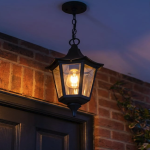
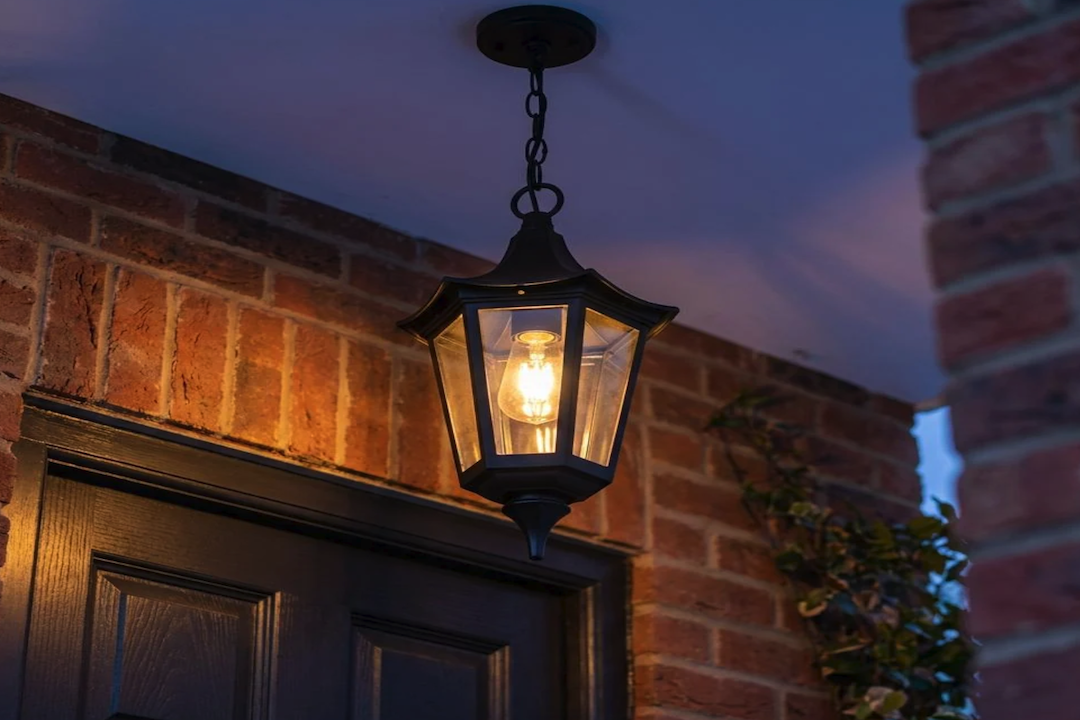
Ever found yourself fumbling for a light switch in the dark, or wishing you could adjust your outdoor lighting without stepping foot outside? The Front Porch Remote Control Lantern Pendant is designed to solve exactly these kinds of everyday frustrations. It’s not just a light; it’s a convenient, adaptable, and surprisingly smart way to illuminate your outdoor spaces, offering an easy path to better ambiance and security right from your fingertips.
Let’s be real, turning on a light isn’t rocket science. But when it comes to outdoor lighting, especially on a porch, there are often more considerations than just “on” or “off.” A Santizodesign remote control lantern pendant brings a new level of practicality to the table.
Convenience at Your Fingertips
Imagine arriving home late, arms full of groceries, and with a simple click of a remote, your porch is instantly bathed in welcoming light. No more fumbling for a wall switch in the dark, especially when weather conditions are less than ideal. This convenience extends beyond just arrival.
- Effortless Control: From inside your home, your car, or even your backyard, you can manage your porch light without having to physically interact with a switch. This is particularly handy for those who might have mobility issues or simply appreciate a less physical interaction.
- Safety First: Illuminating your porch before you even step out of your car can deter potential intruders and provide a safer path to your front door, especially on dark nights. This preemptive lighting can make a significant difference in your sense of security.
Adaptability for Any Occasion
Unlike traditional porch lights that are either on or off, a remote-controlled pendant offers a surprising degree of flexibility. You’re not just getting light; you’re getting control over the kind of light.
- Mood Lighting Made Easy: Hosting an evening get-together? Dim the lights to create a cozier atmosphere. Need more brightness for packing up after a party? Crank it up. This ability to adjust the light output transforms your porch from a simple entryway into an extension of your living space.
- Security Beyond Just “On”: Some advanced models offer features like pulsing lights or brighter bursts when certain conditions are met, adding another layer to your home’s security strategy.
Key Features to Look For: What Makes a Good Remote Control Pendant?
Not all remote control lanterns are created equal. To make an informed choice, it’s helpful to understand the core features that differentiate a good product from a great one.
Remote Control Functionality
This is, of course, the star of the show. But dig a little deeper into what kind of control you’re getting.
- Range and Reliability: How far away can you reliably operate the light? Is it line-of-sight, or can it penetrate walls? A good range means you can turn the light on from your car at the end of the driveway, or from an upstairs window. Reliability means it works consistently every time you press the button, without frustrating delays or missed signals.
- Simple Interface: The remote itself should be intuitive. Large, clearly labeled buttons are a plus, especially if you’re using it in the dark. Avoid remotes with too many tiny, confusing buttons unless you’re looking for highly specialized functionality.
- Multiple Light Control: If you plan on installing more than one pendant, can a single remote control them all, or do you need a separate remote for each? Some systems allow you to group lights or control them individually from one remote, which can be incredibly convenient.
Lighting Customization Options
Beyond simply turning on and off, the ability to tailor the light to your needs is a significant advantage.
- Dimmability: This is arguably one of the most important features. Being able to adjust the brightness level transforms the utility of your porch light. From a soft glow for ambiance to full brightness for security or tasks, dimmability is key. Look for smooth dimming capabilities, not just preset steps.
- Color Temperature Adjustments: Some advanced models allow you to change the color of the light, from a warm, inviting yellow to a cooler, crisp white. Warm light is generally preferred for welcoming spaces, while cooler light can be better for tasks or when you want a more “alert” feel.
- Timers and Schedules: Set it and forget it! Program your light to turn on at dusk and off at dawn, or to illuminate for a specific period. This saves energy and ensures your porch is lit when it needs to be, even if you forget to operate the remote. This is a great feature for holiday lighting too, or when you’re away from home.
Durability and Weather Resistance
Outdoor lighting lives a tough life. It’s exposed to the elements constantly, so robust construction is non-negotiable.
- Materials Matter: Look for materials like rust-resistant aluminum, stainless steel, or high-quality composites. Avoid plastics that might become brittle over time with UV exposure. Glass should be thick and shatter-resistant where possible.
- IP Rating: This is your best friend when assessing weather resistance. The “IP” stands for Ingress Protection, followed by two numbers. The first number indicates protection against solids (dust), and the second against liquids (water).
- IP44: Good for sheltered locations, protected from splashes.
- IP65: Excellent for direct exposure to rain and dust. Generally a good target for outdoor fixtures.
- IP67/IP68: Submersible, usually overkill for a pendant, but indicates extreme durability.
Aim for at least an IP44, but ideally IP65 for an exposed porch.
- Temperature Extremes: Consider your local climate. Does the fixture need to withstand freezing winters or scorching summers? Manufacturers often list operating temperature ranges, which are worth checking.
Installation and Power Considerations: Getting It Set Up Right
Even the best pendant is useless if you can’t install it properly. Understanding the power requirements and installation process beforehand can save you a lot of headaches.
Wiring and Power Source
Most remote control lantern pendants are designed as direct replacements for existing hardwired fixtures.
- Standard Electrical Box: They typically connect to a standard 120V AC junction box, just like any other ceiling light. If you don’t have an existing junction box, installing one will involve electrical work that might require a professional.
- Battery-Powered Options (Less Common for Pendants): While rare for true pendant lights, some smaller, more decorative “lanterns” might be battery-powered. These offer extreme flexibility in placement but come with the trade-off of battery changes and often lower light output. For a reliable, bright porch light, hardwired is almost always the way to go.
- Solar-Powered (Even Rarer for Pendants): Similar to battery-powered, solar is excellent for off-grid solutions but typically doesn’t offer the consistent brightness or power of a hardwired pendant. Their remote control features might also be more limited.
DIY vs. Professional Installation
Deciding whether to tackle the installation yourself or call in an expert depends on your comfort level and local regulations.
- DIY Considerations: If you’re comfortable with basic electrical work (turning off breakers, stripping wires, making connections) and replacing an existing fixture, you can likely install a hardwired pendant yourself. Always turn off the power at the breaker before starting any electrical work.
- When to Call a Pro:
- No Existing Wiring: If there’s no junction box or wiring where you want the light, you’ll need an electrician to run new lines.
- Uncertainty: If you’re unsure about any step, it’s always safer to hire a licensed electrician. Incorrect wiring can be dangerous.
- Local Codes: Some areas have strict electrical codes that require permits or professional installation for certain types of outdoor lighting.
Smart Home Integration
Beyond just its own remote, some pendants can connect to your broader smart home ecosystem.
- Voice Control: Imagine saying, “Alexa, turn on the porch light” or “Hey Google, dim the porch pendant to 50%.” This hands-free control adds another layer of convenience.
- App Control: Many smart home systems come with an app that allows you to control your lights from anywhere with an internet connection. This is fantastic for checking if you left the light on, or turning it on when you’re away to make it look like someone’s home.
- Automation Routines: Integrate your porch light into broader routines. For example, have it turn on when your smart lock unlocks, or activate when a motion sensor near your door is triggered. This creates a truly intelligent and responsive outdoor lighting system.
Design and Aesthetic: Making Your Porch Pop
A light fixture isn’t just functional; it’s a significant part of your home’s curb appeal. The right design can enhance your porch’s overall look and feel.
Matching Your Home’s Style
Just like any other architectural feature, your outdoor lighting should complement your home’s existing aesthetic.
- Traditional and Classic: Look for pendants with intricate details, seeded glass, or finishes like oil-rubbed bronze or distressed black. Think lantern-style designs that evoke a sense of timeless elegance.
- Modern and Contemporary: Opt for clean lines, geometric shapes, and finishes like brushed nickel, matte black, or chrome. Frosted or clear glass with a minimalist frame often suits these styles.
- Farmhouse and Rustic: Consider weathered finishes, industrial-inspired designs, or those with exposed Edison-style bulbs. Galvanized steel or wood accents can also fit this look.
- Coastal: Blue, white, or weathered grey finishes, rope accents, or fixtures with a nautical flair can enhance a coastal theme.
Size and Scale Considerations
The physical dimensions of your pendant are crucial for both aesthetics and proper illumination.
- Height and Proportionality: A good rule of thumb for pendants above a door is that the bottom of the fixture should be about 6-8 inches above the top of the door. For larger porches, ensure the pendant isn’t dwarfed by the space. Measure your porch ceiling height and door dimensions to get a sense of appropriate scale.
- Brightness vs. Size: Don’t assume a larger fixture is always brighter. LED technology allows for powerful illumination from smaller sources. Focus on lumens (brightness) and design separately.
- Multiple Pendants: For very wide or long porches, consider using two or more smaller pendants to provide balanced illumination and visual interest, rather than one very large one. Ensure they are spaced appropriately to avoid dark spots and create an inviting glow.
Light Quality and Glare
Beyond brightness, how the light is distributed and its impact on comfort is important.
- Even Illumination: A good pendant should spread light evenly across your porch, minimizing harsh shadows.
- Glare Reduction: Direct, unshielded light sources can cause glare, which is uncomfortable and can actually make it harder to see. Look for fixtures with frosted glass, diffusers, or downlighting designs that direct light effectively without blinding you or your guests.
- Uplight vs. Downlight: Some pendants direct light primarily downwards, which is great for illuminating the porch floor and steps. Others might have some uplight component, which can highlight architectural features of your porch ceiling or create a broader, softer glow.
Maintenance and Longevity: Keeping Your Light Shining Bright
Investing in a good outdoor light means you want it to last. A little understanding of maintenance and expected lifespan goes a long way.
Cleaning and Care
Outdoor fixtures accumulate dirt, dust, pollen, and sometimes even insect debris. Regular, simple cleaning will keep your pendant looking its best and performing efficiently.
- Gentle Cleaning: Once every few months, wipe down the fixture with a soft, damp cloth. For stubborn dirt, a mild soap solution can be used. Avoid abrasive cleaners or harsh chemicals, as these can damage finishes or seals.
- Glass Panes: Clean glass panes with a standard glass cleaner to ensure maximum light output.
- Power Off: Always turn off the power at the breaker before cleaning any electrical fixture, especially outdoors.
Bulb Replacement and Longevity
The type of bulb (or integrated LED) significantly impacts both energy consumption and how often you’ll need to think about replacements.
- LED Integration: Most modern remote-controlled pendants use integrated LED arrays. These are designed to last for tens of thousands of hours (e.g., 25,000 to 50,000 hours), meaning they might never need “replacement” during the fixture’s lifetime. If an integrated LED fails, you typically replace the entire fixture or a specific LED module, if available.
- Replaceable Bulbs: If your pendant uses standard screw-in bulbs (e.g., E26 base), then you’ll replace them just like any other light bulb. Opt for LED bulbs here as well for energy efficiency and longevity. Look for dimmable versions if your fixture supports dimming.
- Longevity of the Remote and Receiver: While the light source itself might last for ages, the electronic components (remote and receiver) might have a different lifespan. Quality components are key here. Look for warranties that cover the entire fixture, not just the bulb.
Addressing Common Issues
Even well-made products can have occasional hiccups. Knowing what to troubleshoot can save you time.
- Remote Not Working:
- Check Batteries: This is the most common culprit. Replace the remote’s batteries.
- Line of Sight: Ensure nothing is obstructing the signal between the remote and the fixture.
- Reprogramming: Sometimes remotes need to be re-paired or reprogrammed with the receiver. Consult your user manual for specific instructions.
- Light Flickering or Intermittent Operation:
- Loose Wiring: Always turn off power first. Check for any loose wire connections in the junction box.
- Voltage Issues: In rare cases, fluctuations in household voltage can affect LED performance.
- Fixture Malfunction: If all else fails, it might be an issue with the fixture’s internal electronics, which might require a replacement.
- Water Intrusion: If you notice water inside the fixture, immediately turn off the power. This indicates a seal failure or improper installation. It’s a safety hazard and likely means the fixture needs to be replaced or professionally repaired to ensure weatherproofing.
The Front Porch Remote Control Lantern Pendant isn’t just a simple light; it’s an upgrade to your home’s exterior that prioritizes convenience, safety, and style. By focusing on these key features and considerations, you can select a fixture that not only illuminates your porch effectively but also seamlessly integrates into your daily life and enhances your home’s curb appeal for years to come.

