

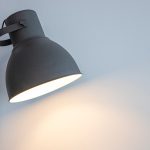
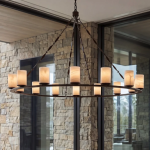
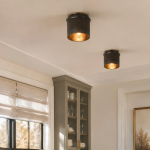

Asymmetrical ceiling lights can absolutely elevate your walk-in closet, adding both functionality and a unique, custom aesthetic. Forget those standard, symmetrical fixtures that just blast light everywhere; going asymmetrical allows you to highlight specific areas, create visual interest, and even make a smaller space feel more dynamic. It’s about strategic lighting that also acts as a design element, moving beyond just simple illumination.
Why Go Asymmetrical in Your Walk-In?
Opting for asymmetrical lighting in a walk-in closet isn’t just a quirky design choice; it offers some real practical benefits alongside its aesthetic appeal. Unlike the standard, centered fixture that provides uniform but often uninspired light, an asymmetrical approach allows for more intentional illumination and visual flair.
Beyond Basic Brightness
Think about it: a walk-in closet isn’t just a box. It has shelves, hanging rods, drawers, perhaps a vanity, or even a bench. A single central light can leave certain areas in shadow, making it hard to see true clothing colors or find that specific accessory. Asymmetrical lighting lets you direct light where you actually need it most.
Creating Visual Flow and Interest
When you place lights in an unexpected way, or choose fixtures that themselves are asymmetrical, you instantly add a layer of design sophistication. It breaks up the ceiling plane, guiding the eye and creating a more dynamic feel than a single, static light source. This can make a utilitarian space like a closet feel more like a styled extension of your bedroom or dressing area.
Maximizing Small Spaces
Believe it or not, a clever asymmetrical layout can actually make a small walk-in feel larger. By drawing the eye upwards and across different points, it prevents the ceiling from feeling like a low, flat lid. It adds depth and dimension where a single, centered fixture might emphasize the confined nature of the space.
Reflecting Personal Style
Your walk-in closet, even if hidden away, is still a part of your home and should reflect your personal taste. Asymmetrical fixtures come in countless styles, from sleek modern to industrial or even whimsical. This allows you to integrate a piece of decor that truly speaks to your aesthetic, rather than settling for a generic light.
Types of Asymmetrical Lighting Fixtures
When we talk about “asymmetrical ceiling lights,” we’re not just limited to oddly placed symmetrical fixtures. The fixtures themselves can inherently be asymmetrical, offering a wide range of styles and functions. Understanding these types will help you choose the best fit for your closet’s size, layout, and your personal style.
Linear LED Strips and Channels
These are incredibly versatile for creating asymmetrical lighting. Instead of a single, central fixture, you can run LED strips or recessed channels along the perimeter of the closet, or along specific shelving units. This creates a continuous, even glow without a distinct “fixture” in the traditional sense.
Hidden Illumination
One popular approach is to hide these strips behind a valance or within recessed channels, creating indirect light that washes down walls or across shelves. This enhances visibility without harsh glare and gives a very modern, streamlined look. The “asymmetry” here comes from their placement – perhaps along one side of the closet, or outlining a specific architectural feature.
Defining Zones
Use linear lights to define different zones. For instance, a strip running above a shoe rack, another above a main hanging rod, and perhaps a smaller one within a drawer system. This creates a functional asymmetry, ensuring every area is well-lit without over-lighting the entire space.
Sputnik Chandeliers and Multi-Arm Pendants
These fixtures are inherently asymmetrical in their design, even if mounted centrally. They feature multiple arms or branches extending in different directions, often at varying lengths. This creates a dynamic, starburst-like effect that is far from a traditional symmetrical dome light.
Mid-Century Modern Appeal
Sputnik chandeliers, with their radiating arms and often exposed bulbs, are a classic choice for adding a touch of mid-century modern glamour. In a walk-in, they become a focal point, adding a sculptural element while distributing light in multiple directions, hitting various surfaces.
Sculptural Impact
Multi-arm pendants or even some modern “cluster” style pendants offer a similar effect. They might have several individual lights hanging at different heights or fanning out from a central canopy. This creates a playful and artistic feel, perfect for a closet you want to feel more like a boutique.
Track Lighting Systems
Track lighting, while often symmetrical in its components (the track itself), offers incredible flexibility for asymmetrical illumination. The individual heads can be repositioned and aimed in different directions, allowing you to highlight specific features or areas of your closet.
Directed Task Lighting
This is where track lighting shines. You can aim one head at your shoe collection, another at your accessory display, and a third at your full-length mirror. This creates a functional asymmetry in how the light is distributed, ensuring crucial task lighting where it’s needed most.
Adjustable Focus
Need to change your closet layout? No problem. Track heads can typically be slid along the track and pivoted, allowing you to adapt your lighting scheme without installing new fixtures. This long-term flexibility makes it a practical choice for dynamic spaces.
Recessed Lighting with Intentional Placement
While individual recessed lights (pot lights) are symmetrical in their design, their placement can be highly asymmetrical and strategic. Instead of a grid pattern, think about placing them to highlight features or create pathways of light.
Wall Washers
Use recessed fixtures that are designed to “wash” light down a wall, illuminating hanging clothes or shelving units. Instead of placing them in the center, positioning them closer to the walls creates a more even, indirect light across vertical surfaces, reducing shadows.
Focused Spotlighting
If you have a special display, like a handbag collection or jewelry cabinet, a single recessed spot can be directed to highlight it. This creates a dramatic, asymmetrical emphasis, drawing attention to specific items.
Abstract or Artistic Pendants
Many modern pendant lights are designed with an inherent asymmetry, either in their shape, their material, or how they are suspended. These are often chosen more for their aesthetic impact than for broad illumination.
Unique Shapes
Look for pendants with organic, irregular, or abstract shapes. A single, distinctive pendant placed off-center can become a powerful design statement, adding personality and art to your closet. It provides a localized pool of light, drawing attention to a specific area beneath it.
Cluster Pendants with Varying Heights
Some pendant designs feature multiple lights suspended from a single canopy, but at varying lengths. This creates a waterfall or cluster effect that is visually interesting and inherently asymmetrical, distributing light at different levels.
Strategic Placement for Maximum Impact
Choosing the right asymmetrical fixture is one thing, but where you put it is just as crucial. Strategic placement can transform your walk-in closet from a purely functional space into a well-designed, inviting area. The goal is to enhance both visibility and aesthetics, creating a sense of flow and highlighting key features without overwhelming the space.
Off-Center Main Fixture
Instead of the traditional center-of-the-room placement, consider positioning your primary ceiling fixture (be it a unique pendant, Sputnik, or even a flush mount with an interesting design) slightly off-center.
Guiding the Eye
Placing it above a key feature, like a central island, a dressing table, or even the entrance to a particularly appealing section of your closet, naturally draws the eye to that area. It creates a subtle focal point that feels intentional rather than accidental.
Avoiding Obstruction
If you have tall shelving or a central closet island, a centrally placed light might be partially obstructed or cast unflattering shadows. An off-center placement can work around these elements, ensuring better light distribution where it’s actually needed.
Zoned Lighting with Multiple Fixtures
This is perhaps the most powerful application of asymmetrical lighting. Instead of one main light, use several smaller, different types of fixtures, each serving a specific zone or purpose.
Dressing Area Illumination
If you have a dedicated dressing area with a mirror, place a flush mount, a small pendant, or even a couple of strategically angled recessed lights directly above or in front of it. This ensures you have good, shadow-free light for getting ready. These lights wouldn’t necessarily be in the “center” of the entire closet, but rather centered for that specific zone.
Garment Rack Highlighting
Clothes hanging on racks can often be in shadow. Install linear LED strips above the hanging rods, or position track lights to point directly at them. This ensures true colors are visible and makes choosing outfits much easier. The linear nature or directional aim of these lights inherently creates an asymmetrical lighting pattern across the closet.
Accessory Display Emphasis
Have a special display for shoes, handbags, or jewelry? A small, focused recessed spotlight or even a tiny, delicate pendant can be positioned directly above it. This draws attention and creates a boutique-like feel, emphasizing these items as decorative elements.
Wall Washing for Depth
Using lights to wash an entire wall is an excellent way to add depth and make a closet feel more spacious, especially if it’s narrow.
Uniform Vertical Light
Install linear LED strips or specific recessed “wall washer” fixtures closer to the wall, aimed downwards. This creates a soft, even glow across the vertical surface, illuminating hanging clothes or open shelving without harsh shadows. The light isn’t centered in the room; it’s hugging the wall.
Visual Expansion
By illuminating the vertical planes, you draw the eye upwards and outwards, preventing the ceiling from feeling heavy or low. This is particularly effective in smaller closets where you want to create an illusion of more space.
Layering Light Sources
The most effective asymmetrical lighting schemes involve layering different types of lights. This isn’t just about ceiling fixtures; it’s about integrating other light sources for a cohesive and highly functional result.
Ambient Light
This is your general, background light, often provided by a central (or off-center) fixture or widespread recessed lights. It provides overall brightness.
Task Light
These are the lights that help you perform specific functions – the strip above your clothing rail, the light over your dressing mirror, or the focused spot on your shoe display. These are almost always asymmetrical in their placement relative to the entire room.
Accent Light
This is where you add drama and highlight specific items. A tiny pendant over a jewelry tray, a recessed light shining on a favorite handbag, or backlighting within a display cabinet. These are purposefully asymmetrical and draw attention to specific points.
Integrating With Closet Design Elements
Asymmetrical lighting doesn’t exist in a vacuum; it works best when thoughtfully integrated with the existing or planned design elements of your walk-in closet. This synergy ensures the lighting enhances the space rather than clashing with it. Think of the lights as another layer of your closet’s overall design, supporting its function and aesthetic.
Complementing Built-In Cabinetry
If your walk-in closet features extensive built-in shelving, drawers, and hanging units, your lighting choices can either highlight or hinder their functionality and appearance. Asymmetrical placement can make these structures shine.
Undercabinet and In-Cabinet Lighting
While not strictly ceiling lights, the decision to use these integrated lighting options directly impacts how you approach ceiling-mounted asymmetrical fixtures. If you have under-shelf LED strips, you might opt for a more ambient, diffused asymmetrical ceiling light to complement rather than compete. Conversely, if your ceiling light is your primary task light, ensure it reaches into open cabinet sections.
Highlighting Architectural Features
Does your cabinetry have a unique crown molding, decorative panels, or a particularly well-organized section? Use a focused asymmetrical light, like a single recessed spot or a small pendant placed just above, to draw attention to these details. This transforms storage into a display.
Working with Closet Islands and Benches
Many walk-in closets feature a central island for folding, storage, or even a seating bench. This central element presents a perfect opportunity for asymmetrical lighting.
Centered Above the Island
Even if your overall ceiling light layout is asymmetrical, a pendant or series of smaller pendants might be perfectly centered above your island. This creates a “room within a room” lighting effect, defining the island as a key functional zone. The asymmetry comes from its placement relative to the entire closet space, not necessarily the island itself.
Ambient Island Glow
If you have a large island, consider a long, linear pendant or a series of smaller, identical pendants suspended at varying heights above it. This creates a soft, even illumination over the work surface while contributing an interesting, often asymmetrical, visual element.
Enhancing Mirrors and Dressing Areas
A full-length mirror or dedicated dressing area is a must-have in a walk-in closet. Lighting here needs to be functional and flattering. Asymmetrical lighting can help achieve this without relying on traditional vanity strips.
Overhead and Frontal Mix
While sconces flanking a mirror provide excellent frontal light, an asymmetrical overhead fixture (like a small cluster of pendants or an angled track light) can provide additional ambient light to the area, minimizing shadows. The goal is even, diffuse light on your face, so avoid single, harsh overhead lights directly above your head.
Defining the Dressing Nook
If your dressing area is slightly recessed or set apart, use a unique, asymmetrical pendant or a series of small, strategically placed recessed lights to define this zone. This signals its purpose and makes it feel like a special, dedicated space.
Incorporating Seating Areas
Some larger walk-in closets include a small armchair, bench, or even a chaise lounge. These spots become havens for relaxing or putting on shoes.
Cozy Corner Illumination
A single, elegant pendant light hung slightly off-center above a reading nook or seating area creates an inviting and intimate atmosphere. This asymmetrical placement makes the corner feel more defined and cozy, rather than just an empty space with a chair.
Highlighting Upholstery
If your seating features beautiful upholstery, a well-placed, subtle asymmetrical light can draw attention to its texture and color, treating it as a decorative element within the closet.
Considerations for Practicality and Safety
While aesthetics are important, functionality and safety should always be top priorities when designing any lighting scheme, especially in a walk-in closet. An asymmetrical approach doesn’t mean compromising on these aspects; rather, it means thinking more deliberately about how light serves the space and its occupants.
Adequate Illumination Levels
The primary purpose of closet lighting is to help you see your clothes and accessories clearly. Asymmetrical doesn’t mean dim.
Lumen Output
Ensure the combined lumen output of your chosen fixtures is sufficient for the size of your closet. A general guideline for closets is often around 30-50 lumens per square foot, but this can vary based on ceiling height, wall colors, and personal preference. Don’t rely solely on one aesthetically pleasing but low-output asymmetrical fixture to light the entire space.
CRI (Color Rendering Index)
This is crucial for seeing true clothing colors. Aim for bulbs with a high CRI (90+) to accurately render colors, preventing you from choosing an outfit that looks one way in the closet and completely different in natural light. Many LED fixtures offer excellent CRI, but always check the specifications.
Avoiding Shadows and Glare
Strategic asymmetrical placement can minimize shadows, but poor choices can introduce new problems.
Even Light Distribution
While you might not have a perfectly uniform spread, aim for an even feel of light. This means avoiding areas of stark contrast between bright and dark. Layering ambient, task, and accent lighting, even if asymmetrical in placement, helps achieve this.
Diffusers and Frosted Bulbs
If your asymmetrical fixture uses exposed bulbs, consider frosted bulbs or fixtures with diffusers to prevent harsh glare. Direct, unshielded light can be uncomfortable and create distracting hot spots.
Mirror Placement
Be mindful of where light sources hit mirrors. While you want light for your dressing mirror, direct glare into the mirror can be blinding and counterproductive. Test angles before final installation.
Ceiling Height and Fixture Clearance
This is a critical practical consideration, especially in closets where ceiling heights can sometimes be lower than in main living areas.
Headroom
For walk-in closets, ensure any hanging pendants or multi-arm fixtures provide ample headroom. You don’t want to bump your head on a beautiful Sputnik chandelier. Generally, a minimum of 7 feet clearance from the floor is recommended for pendants in walking paths, more if you’re tall.
Door Swing
Check that your chosen ceiling fixture doesn’t impede the swing of any closet doors or cabinet doors. This might sound obvious, but it’s an easy oversight.
Visual Balance
Consider the overall scale. A very large, dramatic asymmetrical fixture might overwhelm a small closet with a low ceiling. Conversely, tiny fixtures might get lost in a grand, high-ceilinged walk-in.
Electrical Planning and Installation
Don’t just randomly stick lights up. A thoughtful electrical plan is essential for safety and optimal function.
Circuit Capacity
Ensure your existing electrical circuit can handle the load of new fixtures, especially if you’re adding multiple lights. Consult with an electrician if you’re unsure.
Switching Options
Think about how you’ll control the lights. Will all asymmetrical lights come on with one switch? Or do you want separate switches for different zones (e.g., ambient light on one switch, task lighting for a specific area on another)? Dimmers are highly recommended for closets as they allow you to adjust the mood and brightness.
Professional Installation
For any significant electrical work or installation of complex fixtures, it’s always safest to hire a qualified electrician. This ensures compliance with local building codes and prevents potential hazards.
Heat Generation
Some older light sources (like incandescent bulbs) generate a lot of heat, which can be an issue in a confined closet space, especially near clothing.
LED Preference
LED lighting is highly recommended for closets due to its efficiency, low heat emission, and long lifespan. This is particularly important for recessed lights or fixtures placed close to fabric or wood.
Ventilation
If you have a particularly small, enclosed closet, ensure there’s adequate ventilation, especially if you’re using older bulb types. While lighting likely won’t be the sole cause of humidity issues, it can contribute.

