

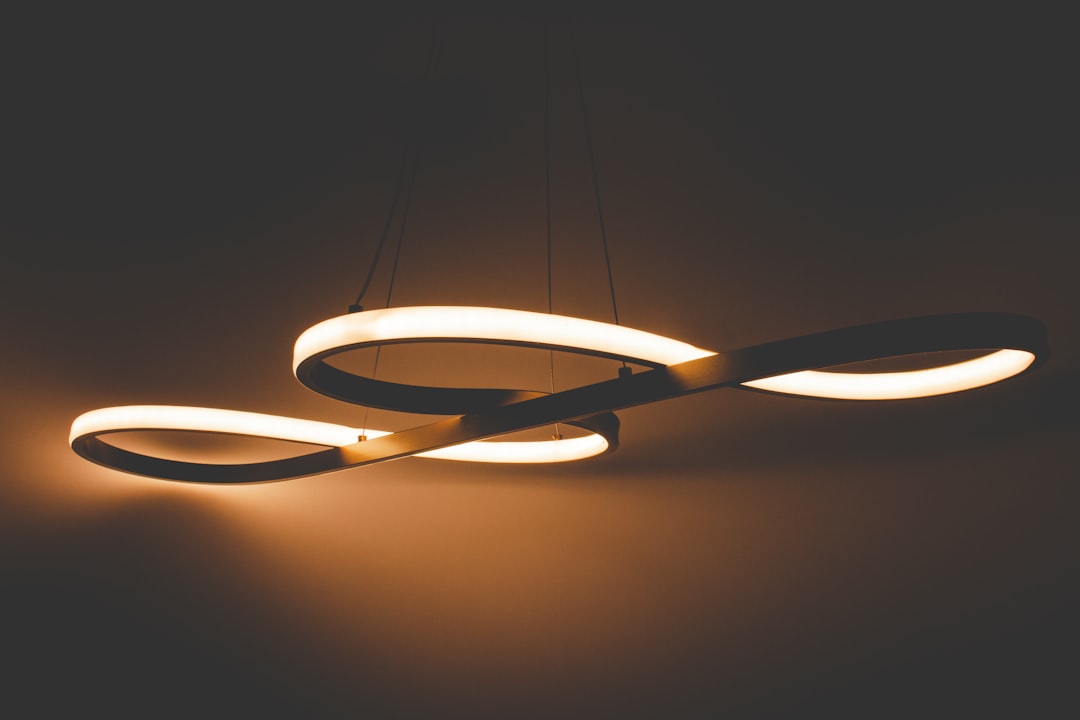
Soft minimalism in interior design emphasizes functionality, clean lines, and a subdued aesthetic. Unlike traditional minimalism, which can sometimes appear stark or cold, soft minimalism integrates elements that introduce warmth and comfort while maintaining an uncluttered environment. Indirect lighting is a cornerstone of this approach, playing a crucial role in creating depth, enhancing spatial perception, and establishing a tranquil atmosphere without an overt display of light sources. This article explores the principles and applications of indirect lighting within a soft minimalist framework.
Soft minimalism distinguishes itself from its more austere counterpart through its integration of tactile textures, organic materials, and a warmer color palette. It eschews sharp contrasts, opting instead for harmonious transitions and a sense of inviting calm. Indirect lighting aligns perfectly with these principles by diffusing light Annasonic in a way that eliminates harsh shadows and glare, thereby promoting a sense of ease and relaxation.
Defining Indirect Lighting
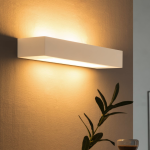
Indirect lighting, by definition, involves concealing the light source so that the emitted light reflects off a surface—such as a ceiling, wall, or floor—before illuminating the intended space. This method creates a softer, more even distribution of light compared to direct lighting, where the light source is overtly visible and shines directly onto a surface. The absence of a visible bulb contributes to the minimalist aesthetic, as the focus shifts from the luminaire to the illuminated environment itself.
The Role of Diffusion
Diffusion is central to indirect lighting’s effectiveness. When light rays interact with a surface, they scatter, losing some of their intensity and acquiring a broader, softer quality. This scattering effect is crucial for reducing glare and creating a uniform ambient glow. In soft minimalism, diffusion contributes to the overarching goal of reducing visual noise and fostering a serene atmosphere.
Architectural Integration of Indirect Lighting
Integrating indirect lighting into a soft minimalist design often necessitates collaboration with architects and builders, particularly during the initial design phases. Retrofitting can be challenging but not impossible, depending on the existing structural elements. The goal is to make the lighting an intrinsic part of the architecture, rather than an afterthought.
Coves and Valances
Coves and valances are architectural recessions or projections designed to house light sources, typically linear LEDs or fluorescent tubes, so that the light faces upward or downward to reflect off the ceiling or wall.
Ceiling Coves
Ceiling coves are recesses built into the ceiling perimeter, typically a few inches from the wall, where light sources are hidden. The light then bounces off the main ceiling surface, distributing a gentle, ambient glow across the room. This technique effectively raises the perceived height of the ceiling and visually expands the space. In a soft minimalist context, these coves are often integrated with clean, understated lines, forming a seamless part of the architectural shell.
Wall Valances
Wall valances function similarly to coves but are typically mounted lower on the wall, often above windows or integrated into shelving units. They direct light either upward onto the ceiling or downward onto the wall surface below. This creates vertical illumination that can highlight wall textures or artwork indirectly, adding depth without visual clutter from the fixture itself.
Recessed Channels
Recessed channels are another common method for integrating indirect lighting. These involve cutting grooves into walls, ceilings, or even furniture, into which LED strips are installed and then covered with a diffuser material.
Floor-Integrated Channels
Floor-integrated channels, though less common, can be used to cast an upward wash of light onto walls, creating a dramatic, yet soft, boundary definition. This low-level illumination can guide movement and highlight architectural features in a subtle manner. It serves as a visual anchor, grounding the space without introducing overt light sources.
Wall-Integrated Channels
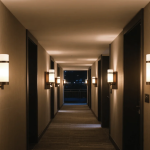
Wall-integrated channels offer versatility, allowing for linear light paths that define zones or highlight vertical surfaces. When flush with the wall, they disappear from view, leaving only the emanating light. This is particularly effective in hallways or as a subtle accent behind shelving.
Strategic Placement and Layering
Effective indirect lighting within soft minimalism is not merely about hiding light sources; it is about strategic placement and the layering of light to create a multi-dimensional environment. A single source of indirect light may produce a flat effect; hence, multiple layers are often employed.
Ambient Lighting
Ambient lighting is the foundational layer, providing a general, diffused illumination that establishes the overall brightness of a space. In soft minimalism, this is almost exclusively achieved through indirect means, such as ceiling coves or a large diffused fixture whose source is hidden. The aim is to create a consistent, shadowless glow that renders the room functional and inviting without strong focal points of light. Think of it as the air a room breathes; it’s everywhere, yet often unnoticed until its absence.
Task Lighting (Indirectly Applied)
While task lighting typically involves direct, focused light, soft minimalism can incorporate indirect approaches even here. This might involve light sources hidden within shelves to illuminate a countertop, or a floor lamp with an upward-facing shade that reflects light off a wall to illuminate a reading nook. The key is to provide adequate illumination for a specific activity without the visual presence of a stark, utilitarian light fixture. It is about creating pools of light that support activity, as if the light itself is rising from the surface it illuminates.
Accent Lighting
Accent lighting in soft minimalism is used sparingly to draw attention to specific architectural features, artwork, or textures. Here, indirect lighting might involve narrow-beam uplights hidden in floor vents, or LED strips discreetly embedded along the edge of a wall to highlight a textured surface. The light acts as an invisible hand, gently guiding the eye without announcing its presence. It defines boundaries and creates visual interest without cluttering the minimalist aesthetic.
Materiality and Reflection
The choice of materials in a soft minimalist space profoundly impacts how indirect lighting behaves. Surfaces act as canvases for light, and their properties dictate the final effect.
Surface Reflectivity
The reflectivity of a surface, often measured by its light reflectance value (LRV), determines how much light it absorbs versus reflects. Matte finishes, common in soft minimalism, reflect light diffusely, contributing to the soft, even glow. Glossier surfaces, while less common, can introduce sharper reflections that might contradict the soft minimalist aesthetic, though they can be strategically used for a specific effect of sheen and depth.
Color Temperature
The color temperature of the light source, measured in Kelvin (K), significantly influences the mood of a space. Soft minimalism typically favors warmer color temperatures (around 2700K to 3000K) to enhance comfort and coziness. These warm tones complement the natural wood, linen, and muted color palettes often found in soft minimalist designs, creating an inviting and tranquil ambiance. Cooler temperatures (above 4000K) can make a space feel more sterile and clinical, generally clashing with the soft minimalist ethos. Selecting the appropriate color temperature is akin to choosing the right filter for a photograph; it subtly alters the entire emotional tenor.
Material Textures
The texture of surfaces also plays a role. Textured walls or ceilings, for example, can create subtle patterns of light and shadow when illuminated indirectly, adding visual interest without introducing complexity. Materials like limewash paint or exposed concrete can take on new dimensions as light washes over their uneven surfaces. This interaction of light and texture adds a layer of sophistication and sensory richness to the minimalist setting.
Technology and Control
Modern lighting technology offers sophisticated control over indirect lighting systems, allowing for dynamic adjustments that cater to diverse needs and moods.
Dimmable Systems
Dimmable light sources are indispensable in soft minimalist design. They allow for the precise adjustment of light intensity, enabling the user to transition between bright, functional illumination and a subdued, relaxing glow. This flexibility is crucial for adapting the ambiance to different times of day or activities. Dimmers essentially provide a spectrum of emotional states for the room.
Smart Lighting Controls
Smart lighting systems integrate with home automation platforms, offering granular control over individual light zones, color temperature, and scheduling. This allows for personalized lighting scenes that can be activated with a voice command or a touch on a smartphone. For instance, a “morning” scene might gradually brighten the room with warm light, while an “evening” scene might lower intensity and shift to a very warm, intimate glow. Such systems contribute to the effortlessness and unobtrusiveness central to minimalist living.
Energy Efficiency
LED technology has revolutionized indirect lighting by offering high energy efficiency and a long lifespan. These benefits align with the sustainable practices often associated with minimalist lifestyles. The low heat emission of LEDs also makes them suitable for enclosed architectural elements like coves and channels, reducing the risk of heat-related damage. The energy saved is not just a pragmatic advantage but also a quiet nod to resourcefulness, a core tenet of minimalism.
In conclusion, soft minimalism leverages indirect lighting as a fundamental tool to sculpt space, evoke emotion, and foster a sense of tranquil order. By concealing the source and diffusing the light, designers create environments that are both functional and aesthetically refined, embodying the essence of understated elegance. This approach moves beyond mere illumination; it shapes perception, softens edges, and elevates the ordinary into an experience of calm sophistication.

