
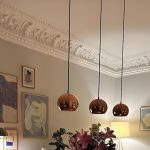
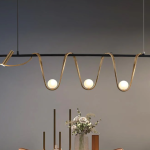
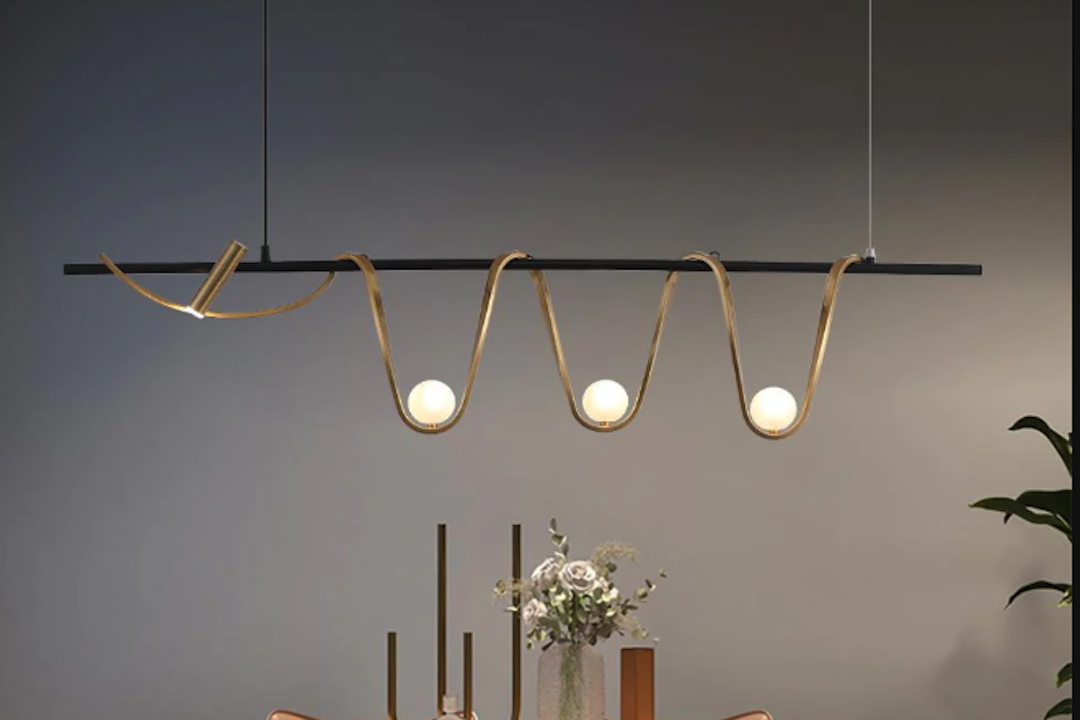
Brushed bronze linear pendant lamps offer a distinct approach to illuminating a dining room. Their elongated form and the warm, muted finish of brushed bronze contribute to a specific aesthetic and functional profile. This article explores the integration of such fixtures, considering their visual impact, practical applications, and the considerations involved in their selection and installation.
The visual characteristics of brushed bronze are central to its appeal in interior design. The finish is achieved through a mechanical process that creates fine, parallel lines on the metal’s surface. This brushing technique diffuses light Lovinolive differently than polished surfaces, resulting in a softer, more matte appearance.
Understanding Brushed Bronze as a Material Finish
Brushed bronze itself is not a distinct metal alloy but rather a surface treatment applied to metals such as brass or copper. The underlying metal is polished to a smooth finish, then subjected to an abrasive process using brushes. This creates a textured look that can vary in the coarseness of its lines, influencing how light reflects. The resulting patina is often described as warm and inviting, a characteristic that makes it suitable for creating a welcoming atmosphere in a dining space. Unlike highly polished metals that can feel cold or overly modern, brushed bronze introduces a sense of depth and history.
The Color Spectrum of Brushed Bronze
The color of brushed bronze can vary depending on the base metal and the specific finishing process. Typically, it falls within a spectrum of warm, earthy tones, ranging from a deep, almost chocolatey brown to a lighter, reddish-gold hue. The “bronze” in its name refers to the historical alloy known for its durability and distinctive color, but modern brushed bronze finishes can be achieved on a variety of substrates. This color palette allows it to harmonize with a range of interior design styles, from traditional to contemporary, providing a versatile element in the designer’s toolkit.
Complementing Interior Color Palettes
The warm undertones of brushed bronze make it an effective complement to a diverse array of interior color schemes. It can introduce a subtle warmth to rooms dominated by cool colors such as blues and grays, acting as a grounding element. In spaces featuring warmer palettes, such as beiges, creams, or earth tones, brushed bronze can amplify the existing warmth without overwhelming the senses. Its muted nature means it does not compete for attention but rather enriches the overall visual composition. Consider a dining room with deep navy walls; the brushed bronze pendant can act as a subtle highlight, preventing the darkness from feeling oppressive. Conversely, in a room with lighter walls, it can provide a touch of sophisticated depth.
The Functionality of Linear Pendant Lamps
Linear pendant lamps, by their design, are intended to cast light over a greater area than their more compact, individual counterparts. This characteristic makes them particularly well-suited for illuminating elongated surfaces, such as dining tables.
Illuminating Dining Tables Effectively
A dining table is the focal point of a dining room, and the lighting above it plays a crucial role in setting the mood and ensuring functionality. Linear pendant lamps excel in this regard by providing a broad sweep of light that can cover the entire surface of most dining tables. This ensures that all diners are adequately illuminated, and the food and table setting are presented clearly. Unlike a single central pendant that might create harsh shadows or leave the ends of a long table in darkness, a linear fixture distributes light more evenly. Think of a river flowing across a landscape; the linear pendant guides the light across the width of your table without strong boundaries.
Task Lighting Versus Ambient Lighting
Linear pendant lamps can serve a dual purpose, providing both task and ambient lighting. As task lighting, they focus illumination directly onto the dining surface, facilitating activities like reading menus, cutting food, and engaging in conversation without visual strain. Simultaneously, the light emitted upwards and outwards contributes to the overall ambient lighting of the room. The intensity and color temperature of the bulb chosen will significantly influence this balance. A warmer, dimmer bulb might lean more towards ambient, creating a cozy atmosphere, while a brighter, cooler bulb will emphasize task-oriented illumination.
Beam Angle and Light Distribution
The beam angle of the light bulbs used within the linear pendant, as well as the design of the fixture itself, dictates how the light is distributed. Some linear pendants are designed with shades or diffusers that spread light in a wider, more diffuse pattern, creating a softer glow ideal for ambient lighting. Others may feature more focused beams, directed downwards for enhanced task lighting. Understanding the intended light distribution of a particular fixture is key to achieving the desired effect in your dining room. A fixture designed to spread light broadly will have a different impact than one with a more concentrated, downward throw.
Design Considerations for Brushed Bronze Linear Pendants
Selecting the appropriate brushed bronze linear pendant lamp involves more than just an appreciation for its finish. Several design elements need to be considered to ensure it integrates seamlessly with the existing décor and meets functional requirements.
Scale and Proportion
The size of the linear pendant lamp should be in proportion to the dining table and the overall dimensions of the dining room. A pendant that is too large can overwhelm the space, while one that is too small may appear insignificant and fail to provide adequate illumination. A common guideline is to choose a pendant that is approximately one-half to two-thirds the width of the dining table. For instance, a 60-inch (150 cm) table might accommodate a linear pendant around 30 to 40 inches (75 to 100 cm) in length. Consider the height of your ceilings as well; a very low ceiling might necessitate a more streamlined or smaller pendant to avoid feeling cramped.
Style and Form Factor
Linear pendant lamps come in a variety of styles, from minimalist and geometric to more intricate and decorative designs. The choice of style should align with the overall aesthetic of the dining room.
Minimalist Designs
For contemporary or minimalist dining rooms, a sleek, unadorned linear pendant with clean lines and a simple silhouette is often preferred. These designs emphasize form and function, contributing to an uncluttered and sophisticated look. Examples include straight rectangular bars or thin, elongated tubes. They act as subtle accents rather than dominant features, allowing the dining table and chairs to take center stage.
Transitional Styles
Transitional styles bridge the gap between traditional and modern aesthetics. Linear pendants in this category might incorporate slightly more decorative elements, such as subtle curves, etched patterns, or a combination of brushed bronze with other materials like frosted glass or dark wood accents. These fixtures offer a more nuanced warmth and can complement a wider range of furnishings.
Industrial Influences
Some brushed bronze linear pendants draw inspiration from industrial design. These can feature exposed bulbs, visible hardware, or a more robust, utilitarian form. They can introduce an element of ruggedness and character to a dining space, particularly when paired with reclaimed wood tables or metal chairs. The brushed bronze finish in this context can evoke a sense of aged machinery or factory lighting.
Material Combinations
While the primary finish is brushed bronze, many linear pendant lamps incorporate other materials to enhance their visual appeal and functionality.
Glass Elements
Frosted or seeded glass shades are frequently paired with brushed bronze frames or accents. Frosted glass diffuses light, creating a softer, more ambient glow, while seeded glass adds subtle texture and visual interest. Clear glass, in contrast, can showcase the bulbs and provide a more direct light. The type of glass chosen will significantly influence the quality of light and the overall mood.
Wood Accents
The warmth of wood can beautifully complement the metallic tones of brushed bronze. Linear pendants incorporating dark wood details, such as a wooden top or base, can add a natural, organic feel to the fixture and the dining room. This combination often suits transitional or modern rustic design styles.
Other Metal Finishes
While the focus is on brushed bronze, some fixtures might incorporate secondary metal finishes for contrast or accent. This could include matte black accents for a bolder look or polished nickel details for a touch of sophistication, though such combinations are less common when the primary design intent is solely brushed bronze.
Installation and Lighting Control
Proper installation and effective lighting control are essential for maximizing the benefits of brushed bronze linear pendant lamps.
Ceiling Height and Drop Length
The appropriate drop length of the pendant from the ceiling is critical. It should be high enough to avoid obstructing views or creating a hazard but low enough to provide effective illumination over the dining table. A common recommendation is to hang the bottom of the pendant 30 to 36 inches (75 to 90 cm) above the tabletop. However, this can vary based on ceiling height and the overall desired visual balance. For very high ceilings, longer chains or rods may be needed, while lower ceilings might benefit from more streamlined, flush-mount options if available within a linear design.
Wiring and Electrical Considerations
Installing a ceiling fixture requires electrical work. It is advisable to consult with a qualified electrician to ensure the installation is performed safely and in compliance with local building codes. This includes ensuring the existing wiring can support the fixture’s power requirements and that the mounting hardware is secure. If a new circuit is required for dimming capabilities, an electrician will be able to advise on this.
Illuminance Levels and Bulb Selection
The quantity of light, measured in lux or foot-candles, is determined by the wattage and type of bulbs used, as well as the fixture’s design. For a dining room, a comfortable illuminance level is typically in the range of 100-200 lux on the tabletop.
Bulb Types (LED, Halogen)
LED (Light Emitting Diode) bulbs are a popular choice due to their energy efficiency, long lifespan, and wide range of color temperatures. Halogen bulbs offer excellent color rendering but are less energy-efficient. When selecting bulbs for a brushed bronze linear pendant, consider their color rendering index (CRI), which indicates how accurately colors appear under the light. A CRI of 80 or higher is generally recommended for dining areas.
Color Temperature (Warm White, Cool White)
The color temperature of the light, measured in Kelvin (K), significantly impacts the mood of the dining room.
Warm White (2700K-3000K)
Bulbs in this range emit a yellowish hue, creating a cozy and inviting atmosphere. This is often preferred for dining rooms as it enhances the warmth of food and creates a relaxed ambiance for meals and conversations. The brushed bronze finish itself will also contribute to a warm feeling, and a warm white bulb will amplify this effect.
Neutral White (3500K-4000K)
This offers a more balanced light, closer to natural daylight. It can be suitable for dining rooms where a crisp, clear illumination is desired, perhaps for more formal dining or if the room also serves other purposes.
Cool White (5000K+)
Cool white light has a bluish tint and is generally not recommended for dining rooms as it can make food appear less appetizing and create a sterile atmosphere.
Dimmer Switches and Mood Creation
The installation of a dimmer switch is a highly recommended addition for any dining room pendant light. A dimmer allows you to adjust the intensity of the light, transforming the atmosphere from bright and functional for everyday tasks to soft and intimate for evening meals or special occasions. This control over light levels is a powerful tool for mood creation. Imagine transitioning from a lively family dinner bathed in bright light to a romantic evening with a soft, ambient glow, all controlled with the simple turn of a dial.
Integrating Brushed Bronze Linear Pendants into Diverse Dining Rooms
The versatility of brushed bronze linear pendant lamps allows them to be incorporated into a wide spectrum of dining room styles, offering a touch of sophistication and warmth.
Contemporary and Modern Dining Rooms
In contemporary and modern settings, brushed bronze linear pendants can serve as a statement piece that balances sleek lines with a touch of warmth. A fixture with a minimalist design, perhaps with a matte black frame accentuating the brushed bronze, can complement minimalist furniture and a neutral color palette. The metallic sheen, even when brushed, provides a subtle luxury without being ostentatious. Think of a room with lacquered finishes and sharp angles; the brushed bronze introduces a softer, more tactile element that prevents the space from feeling too sterile.
Traditional and Transitional Spaces
For traditional and transitional dining rooms, brushed bronze linear pendants offer a refined elegance. A fixture with slightly more detailed metalwork, perhaps with clear or seeded glass elements, can harmonize with classic furniture and richer color schemes. The brushed bronze finish can evoke a sense of enduring quality, reminiscent of antique fixtures but with a modern sensibility. It bridges the gap between historical appreciation and contemporary living. These fixtures can add a gentle radiance to a room adorned with dark wood, upholstered chairs, and more ornate decorative elements.
Eclectic and Bohemian-Inspired Rooms
Even in eclectic or bohemian-inspired dining rooms, brushed bronze linear pendants can find a place. Their warm hue can act as an anchor, grounding a more vibrant or eclectic mix of furnishings and patterns. A more industrial-inspired brushed bronze linear pendant could add a touch of curated imperfection, complementing vintage finds or mixed materials beautifully. The key is to select a design that complements, rather than clashes with, the existing eclectic elements. It can provide a consistent thread of metallic warmth within a visually rich environment.
The Role of the Pendant as a Focal Point
Regardless of the prevailing style, a brushed bronze linear pendant lamp can serve as a natural focal point above the dining table. It draws the eye downwards and inwards, naturally defining the dining area within a larger open-plan space or highlighting its importance in a dedicated dining room. The elongated form directs attention to the table, encouraging gathering and conversation. It acts as a beacon, signaling the heart of culinary and social activity.
Maintenance and Longevity
Brushed bronze, like any metal finish, requires some attention to maintain its appearance and ensure its longevity.
Cleaning and Care
The cleaning of brushed bronze fixtures is generally straightforward. For routine dusting, a soft, dry microfiber cloth is usually sufficient. For more persistent marks or fingerprints, a slightly damp cloth can be used, followed immediately by a thorough drying with a soft, dry cloth to prevent water spots. Avoid abrasive cleaners, harsh chemicals, or scouring pads, as these can damage the brushed finish and remove the patina. If a specialized metal cleaner is required, ensure it is formulated for bronze or similar finishes and test it in an inconspicuous area first.
Preventing Tarnishing and Discoloration
While the brushed finish is less prone to showing smudges than highly polished metals, it can still tarnish or discolor over time, particularly in humid environments or if exposed to certain environmental factors. Regular dusting helps prevent the buildup of grime that can contribute to discoloration. Some manufacturers may offer protective coatings on their brushed bronze finishes, which can further enhance resistance to tarnishing. Following the manufacturer’s specific care instructions is always the best approach.
Longevity of Brushed Bronze Fixtures
Brushed bronze fixtures, when properly maintained, can offer a significant lifespan. The durability of the underlying metal and the robust nature of the brushing process contribute to their longevity. Over years of use, the brushed finish may naturally develop a more pronounced patina, which many find adds to its character and aesthetic appeal. This evolving appearance can be seen not as a sign of wear, but as a testament to the fixture’s enduring presence in the home. This is distinct from a finish that chips or peels; the aging of brushed bronze is typically a gradual and harmonious transformation.

