
When considering wall lighting, the matte white plaster wall light offers a distinctly understated and practical solution for various interiors. Its primary appeal lies in its ability to blend seamlessly into a wall, appearing as a subtle extension of the architecture itself, rather than a prominent fixture. This isn’t about making a bold statement, but rather providing a clean, integrated light source that enhances the overall atmosphere without drawing undue attention to itself.
These lights aren’t just about aesthetics; they offer a blend of functional and design advantages that make them a compelling choice for many spaces. It’s about achieving a refined look without overcomplicating things.
The “Invisible” Aesthetic
One of the most significant draws of a matte white plaster wall light is its chameleon-like quality. The unpainted plaster finish is designed to be directly painted over, matching the exact color and texture of your existing walls. This creates a truly integrated look, making the light source feel like it’s sculpted directly from the wall rather than bolted onto it. This creates a visually quieter space, allowing other design elements to shine or simply providing an uninterrupted flow.
The ability to paint directly onto the fixture means you’re not limited to standard white; it can become any color. If your walls are a soft grey, the light can be a soft grey. If they’re a deep blue, well, you get the idea. This isn’t just about matching; it’s about making the light source disappear into the design, contributing to the overall coherence of the room.
Durability of Plaster
Plaster, as a material, has a long history in architecture and interior design for good reasons. It’s not just about aesthetics; it brings a certain robustness.
Long-Lasting Material
Plaster fixtures, when properly installed and cared for, are quite durable. They’re less prone to denting or scratching than some metal alternatives, and their solid construction means they hold up well over time. This isn’t groundbreaking, but it’s a practical consideration for a fixture that’s meant to be a long-term part of your home. They don’t typically rust or corrode, making them suitable for areas where humidity might be a minor concern, though not for direct water exposure.
Fire Resistance Properties
While not a primary selling point for most homeowners, plaster does offer some inherent fire-resistant qualities. This adds an extra layer of security and is a testament to the material’s structural integrity. It’s not fireproofing your house, but it’s another small practical benefit.
Versatile Design Integration
The simplicity of a matte white plaster light makes it incredibly versatile in terms of design. It’s hard to find a style it genuinely clashes with.
Adapting to Any Style
Whether your home leans contemporary, minimalist, traditional, or even bohemian, a plaster wall light can find its place. Its unassuming nature means it doesn’t dictate the style; instead, it adapts to it. In a minimalist setting, it reinforces clean lines. In a traditional space, it can offer a subtle modern update without being jarring. This adaptability makes it a safe and effective choice for designers and homeowners alike. It’s a foundational element that supports the overall design narrative rather than trying to lead it.
Enhancing Architectural Details
Beyond just blending in, these lights can also be used to subtly highlight architectural features. Placed strategically, they can graze a textured wall, emphasize a decorative alcove, or simply delineate a pathway. The light itself can become a tool for shaping the perception of space and form.
Understanding Different Light Distributions
Not all wall lights cast the same kind of light. The way a plaster wall light directs its illumination is a key factor in its suitability for a particular space.
Up-and-Down Lighting
This is perhaps the most common configuration for these types of fixtures. Light is emitted from both the top and bottom of the fixture, creating a pleasing wash of light on the wall above and below.
Creating Ambient Glow
Up-and-down lighting is excellent for creating a soft, ambient glow that contributes to the overall warmth of a room. It reduces harsh shadows and provides a comfortable level of illumination without being overly bright or directional. This is ideal for living rooms, hallways, and bedrooms where a relaxed atmosphere is desired. It’s about setting a mood, not performing task lighting.
Visual Interest and Height Perception
The two beams of light can also create interesting architectural patterns on the wall, adding visual depth and interest. By drawing the eye upward, these lights can also subtly contribute to a feeling of increased ceiling height, making a room feel more expansive.
Downlight Only
Some plaster wall lights are designed to only direct light downwards. This has a different set of applications and effects.
Task Lighting and Pathway Illumination
A downlight-only fixture can be more focused. It’s useful for providing task lighting over a specific area, such as a bedside table or a console. In hallways, it can effectively illuminate the floor, safely guiding movement without harsh overhead glare. This provides a more practical kind of light, focused on a specific zone.
Emphasizing Lower Walls or Floor
By directing light downwards, these fixtures can highlight the lower portions of a wall or draw attention to floor-level details. This can be particularly effective in corridors or stairwells, where practical illumination is paramount.
Asymmetric or “Blade” Lighting
These are less common but offer a distinct visual effect, often found in more contemporary designs.
Sculptural Light Effects
Asymmetric lights might cast light only to one side, or create a thin, blade-like beam. This is more about creating a deliberate design statement with light itself. It’s less about general illumination and more about artistic expression. These types often pair well with very minimalist or modern architectural styles where the light effect itself is a key part of the design.
Highlighting Specific Features
The focused nature of asymmetric lighting makes it excellent for drawing attention to a particular piece of art, an architectural recess, or a textured wall. It acts almost like a spotlight, but integrated seamlessly into the wall.
Installation and Maintenance Considerations
While the “invisible” aesthetic is appealing, it does come with specific installation requirements.
Integration During Construction or Renovation
The ideal time to install matte white plaster wall lights is during the construction phase or a major renovation. This allows for seamless integration into the wall surface.
Recessed vs. Surface Mount
Most truly “seamless” plaster lights are designed to be recessed. This means a cavity must be created in the wall to house the body of the fixture, with only the plaster face flush with the wall. Surface-mounted options exist, but they won’t achieve the same level of invisibility, although they can still be painted to match. Recessing requires careful planning and coordination with electricians and plasterers.
Professional Installation Recommended
Given the need for precise recessing and ensuring proper electrical connection within the wall, professional installation by a qualified electrician and potentially a plasterer is highly recommended. Attempting a DIY installation without experience can lead to uneven finishes or safety hazards. The goal is a perfectly flush, seamless transition, which requires skilled hands.
Painting and Finishing
This is where the magic of the “invisible” light truly happens.
Matching Wall Paint
Once installed and plastered in, the fixture can be painted with the exact same paint as the surrounding wall. This is crucial for achieving that fully integrated look. It’s important to use a paint suitable for plaster, which is typically standard emulsion or interior wall paint. The texture of the plaster fixture will also match the wall, ensuring a cohesive finish.
Smooth, Undisturbed Surface
The goal is for the light to disappear, meaning the paint finish on the fixture should be indistinguishable from the rest of the wall. This requires careful application, potentially with multiple thin coats, to avoid any visible paint lines or texture differences.
Longevity and Care
Plaster lights are generally low maintenance, but a few considerations can help them look their best for years.
Dusting and Cleaning
Regular dusting with a soft cloth or a feather duster is usually sufficient to keep the surface clean. For any marks or scuffs, a very lightly dampened cloth can be used. Avoid abrasive cleaners or harsh chemicals, which can damage the paint or the plaster itself. Because they are painted, they require the same care as your walls.
Bulb Replacement
Most of these fixtures use integrated LED modules, meaning the light source is built-in and not user-replaceable. When the LED unit eventually fails (which can be decades), the entire fixture often needs to be replaced. Some models might have replaceable LED drivers, but this is less common for the light source itself. For those models that accept standard bulbs (e.g., G9 or GU10), replacement is straightforward. Always check the manufacturer’s specifications for bulb type and wattage.
Where Does a Matte White Plaster Wall Light Fit Best?
Given their characteristics, these lights are particularly well-suited for certain types of spaces and design intentions.
Hallways and Corridors
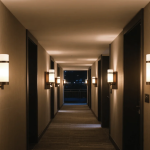
These are prime locations for plaster wall lights. The seamless integration helps to visually widen narrow spaces and provides effective, non-glaring illumination.
Guiding Pathways
In hallways, they can be strategically placed to create a rhythmic pattern of light that naturally guides people through the space. They provide enough light for safety and comfort without being overpowering.
Eliminating Visual Clutter
By blending into the walls, they remove the visual clutter that more prominent fixtures might introduce in what is often an already constrained space. This contributes to a sense of calm and order.
Living Rooms and Bedrooms
In more private or social areas, these lights contribute to atmosphere and functional lighting without competing with other design elements.
Creating a Relaxed Ambiance
In a living room, up-and-down plaster lights can contribute to a warm, inviting ambiance, especially when dimmable. They provide soft background lighting that complements other light sources like floor lamps or pendants.
Bedside Lighting Without Bulk
For bedrooms, smaller, downlight-only plaster fixtures can serve as excellent bedside lighting, freeing up space on nightstands and providing focused light for reading without disturbing a partner. They offer a clean, integrated look that suits many modern bedrooms.
Bathrooms and Spas (Suitable Zones)
While not suitable for direct water exposure, plaster wall lights can be used in the appropriate zones of bathrooms or spas.
Softening Functional Spaces
In bathrooms, particularly those designed for relaxation, the soft, ambient light from plaster fixtures can help create a more spa-like atmosphere, reducing the harshness often associated with bathroom lighting. They work well in dry zones above vanity mirrors or along walls.
Reflecting Cleanliness and Simplicity
The clean lines and integrated nature of these lights complement modern bathroom designs that prioritize simplicity and a sense of uncluttered space. They reinforce the idea of a pristine and functional environment.
Commercial and Hospitality Settings
Beyond residential use, these lights are increasingly found in commercial environments.
Hotels and Restaurants
In lobbies, corridors, or even guest rooms of hotels, and in dining areas or restrooms of restaurants, plaster wall lights provide sophisticated, understated illumination that enhances the upscale feel without being distracting.
Retail and Galleries
In retail spaces, they can be used to provide general ambient light without drawing attention away from merchandise. In art galleries, carefully placed plaster lights can subtly illuminate pathways or highlight architectural features, working in concert with track lighting or spotlights focused on the art itself.
The matte white plaster wall light isn’t a flashy fixture designed to scream for attention. Instead, it offers a refined, practical, and highly adaptable lighting solution that prioritizes seamless integration and understated elegance. Its strength lies in its ability to quietly support the overall design of a space, making it an excellent choice for anyone seeking a clean, cohesive, and timeless lighting aesthetic.
