
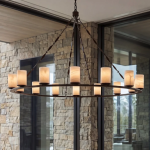

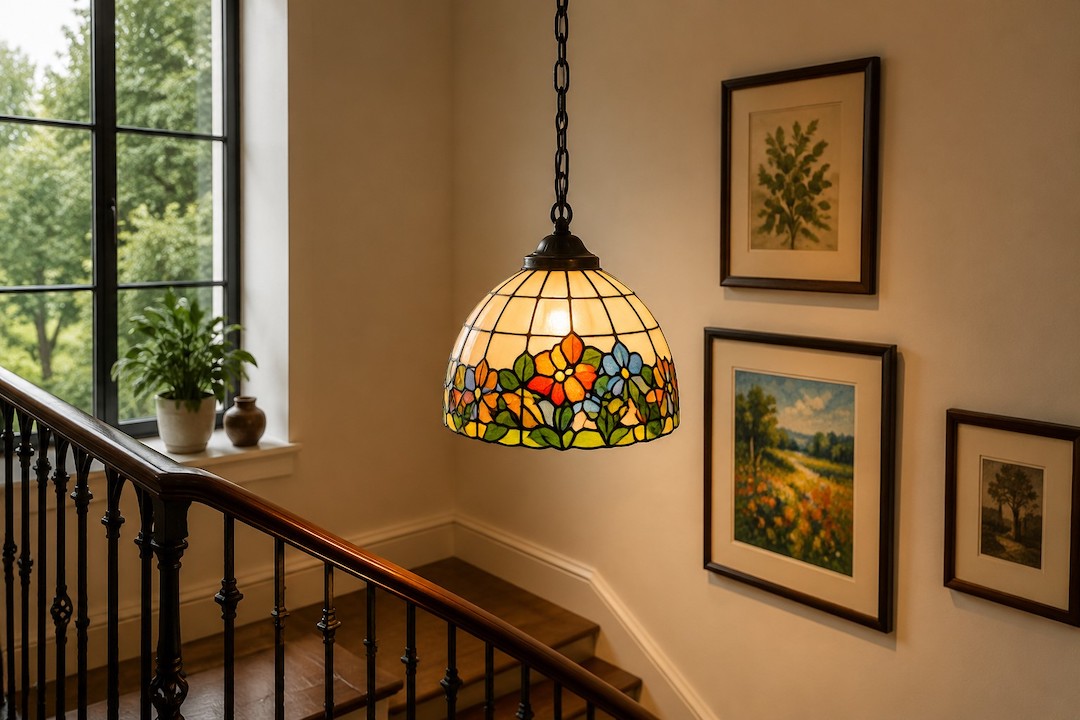
Want to supercharge your stairwell’s aesthetic? Art glass pendant lights are an excellent way to do just that, offering a unique blend of functionality and visual appeal. These aren’t your run-of-the-mill light fixtures; they’re handcrafted pieces that transform a often-overlooked space into a captivating focal point. Think of them as individual sculptures that also happen to cast beautiful light. They’re particularly effective in stairwells because they can fill vertical space, drawing the eye upward and making the area feel grander and more inviting.
Choosing art glass over other materials for your stairwell lighting brings a host of benefits that go beyond simple illumination. It’s about creating an experience, adding character, and making a statement.
Unparalleled Visual Impact
Standard light fixtures Garralighting can be functional, but they rarely inspire. Art glass, on the other hand, is a showstopper. Each piece is unique, often individually crafted, offering variations in color, texture, and form that factory-produced lights simply can’t replicate. Imagine stepping onto your staircase and being greeted by a cascading cluster of hand-blown glass, each globule catching and refracting light in its own distinct way. This isn’t just lighting; it’s a piece of art that dynamically changes throughout the day as natural light shifts.
Mastering the Vertical Space
Stairwells are inherently vertical spaces, and they often feel empty or utilitarian. Art glass pendant lights are perfectly suited to address this. Their designs frequently involve varied lengths, creating a sense of height and drama. A single, grand art glass pendant can become the central jewel of the stairwell, while a cluster of smaller, complementary pieces can create a stunning light sculpture that truly fills the void, drawing the eye upwards and enhancing the feeling of spaciousness.
Craftsmanship and Quality
Unlike mass-produced lighting, art glass often signifies a commitment to craftsmanship. Many pieces are hand-blown or hand-formed, meaning each fixture has been touched and shaped by a skilled artisan. This attention to detail results in a higher quality product, not just in terms of aesthetics but often in durability as well. You’re investing in a piece that tells a story and is built to last.
Diffusion and Ambiance
The inherent qualities of art glass – its translucence, texture, and color variations – allow for a unique diffusion of light. Instead of harsh, direct illumination, art glass tends to cast a softer, more inviting glow. This can create a warm and welcoming ambiance in a stairwell, a space that can often feel cold or purely transitional. The light filtration through colored or textured glass can also project mesmerizing patterns onto walls and ceilings, adding another layer of visual interest.
Reflecting Your Personal Style
Your home is an extension of you, and every design choice is an opportunity to express your aesthetic. Art glass comes in an astonishing array of styles, from contemporary minimalist designs to intricate, traditional patterns, and even whimsical, abstract forms. This allows you to choose a fixture that truly resonates with your personal taste and complements the existing décor of your home, whether it’s sleek modern, rustic farmhouse, or eclectic bohemian.
Choosing the Right Art Glass Pendant for Your Stairwell
Selecting the perfect art glass pendant light for your stairwell involves more than just picking something pretty. It requires thoughtful consideration of several practical and aesthetic factors to ensure it truly enhances your space.
Stairwell Dimensions and Ceiling Height
This is perhaps the most crucial starting point. A grand, multi-tiered pendant will look out of place and potentially overwhelm a compact stairwell with low ceilings. Conversely, a tiny, solitary pendant will be lost in a cavernous space.
Measuring Your Space
Before you even start browsing, grab a tape measure. Note the height from the lowest step to the ceiling, the width of the stairwell, and any landings. Consider the total vertical drop available from the ceiling. A good rule of thumb is to leave at least 7 feet of clearance from the lowest point of the fixture to the top or mid-point of the stairs where someone might walk underneath. You don’t want people bumping their heads!
Scale and Proportion Considerations
For tall stairwells, consider multi-tiered pendants or clusters of varying lengths to fill the vertical expanse without looking sparse. In more modest stairwells, a single, elegant pendant or a smaller cluster might be more appropriate. The fixture should feel proportional to the area it occupies, complementing rather than dominating.
Style and Aesthetics
This is where your personal taste comes into play, but it’s also important to consider the existing architectural style and decor of your home.
Matching Your Home’s Decor
Is your home modern and minimalist, calling for sleek, geometric art glass? Or perhaps it’s a traditional home that would benefit from more ornate, stained-glass inspired designs? A rustic industrial space might look fantastic with art glass that incorporates metal accents or earthy tones. The pendant should feel like a natural extension of your home’s aesthetic, not an afterthought.
Color Palettes and Light Interaction
Art glass offers a kaleidoscope of colors. Think about how these colors will interact with the natural light throughout the day and with your interior lighting at night. A vibrant, colorful pendant can act as a stunning focal point, but ensure the colors don’t clash with your existing decor. Clear or frosted art glass can offer a timeless elegance and provide excellent light diffusion without introducing a strong color element.
Light Output and Functionality
While art glass is undeniably about aesthetics, it still needs to provide adequate illumination for safety and ambiance.
Lumens and Brightness Needs
Stairwells need sufficient light to ensure safe navigation, especially at night. Look at the lumen output of the light source within the pendant. For general illumination, consider fixtures that can accommodate multiple bulbs or brighter LED options. Dimmers are almost always a good idea in a stairwell, allowing you to adjust the ambiance from bright and functional to soft and inviting.
Dimmability and Control
Beyond safety, dimmability is key for mood. You might want bright light for cleaning or moving furniture, but a softer, warmer glow for evening entrances or to accentuate the art glass itself. Discuss dimmer compatibility with your electrician.
Bulb Types and Longevity
LED bulbs are generally the best choice for pendant lights due to their energy efficiency, long lifespan, and cool operation. Many art glass pendants are designed to accommodate specific bulb types, so always check compatibility. If you’re opting for a fixture with many individual lights, the long life of LEDs will save you a lot of hassle in bulb replacement.
Installation and Maintenance Tips
Installing an art glass pendant light in a stairwell can be a more involved process than hanging a standard light fixture. Due to the height and often delicate nature of art glass, professional installation is highly recommended.
Professional Installation is Key
Unless you are a seasoned electrician with experience working at significant heights, do not attempt to install a large art glass pendant light yourself.
Safety First: The Scaffolding Requirement
Stairwells typically require ladders or scaffolding to safely reach the ceiling. A professional electrician will have the necessary equipment and experience to work safely in these challenging environments. They’ll also ensure the fixture is securely mounted and properly wired.
Wiring and Structural Support
Large or heavy art glass pendants require robust structural support in the ceiling, sometimes beyond what a standard junction box can provide. An electrician can assess your ceiling’s capacity and install appropriate bracing if needed, ensuring the fixture remains safely in place for years to come. They’ll also handle all the wiring, ensuring it meets code and functions correctly.
Keeping Your Art Glass Pristine
Art glass, while durable, does require a certain level of care to maintain its beauty over time.
Gentle Cleaning Techniques
Dust is the primary enemy. For regular dusting, a soft, dry microfiber cloth or a feather duster is usually sufficient. For more stubborn grime or fingerprints, use a very mild soap solution (like a drop of dish soap in water) on a clean, soft cloth. Wring the cloth almost dry before gently wiping the glass. Avoid abrasive cleaners, harsh chemicals, or ammonia-based products, as these can damage the glass or its finishes. Always test any cleaning solution on an inconspicuous area first.
Avoiding Harsh Chemicals
As mentioned, harsh chemicals can etch or discolor art glass. Stick to gentle, pH-neutral cleaners specifically designed for glass if you need something more robust than soap and water, but always err on the side of caution.
Regular Inspections
Periodically, take a moment to inspect your pendant light. Check the wiring for any signs of wear, ensure all components are secure, and address any loose parts promptly. If you notice any issues with the wiring, contact an electrician immediately.
Complementary Lighting and Design Considerations
An art glass pendant light is a powerful statement piece, but it rarely works in isolation. Thoughtful integration with other lighting and design elements will ensure your stairwell feels cohesive and fully realized.
Integrated Lighting for Safety and Ambiance
Don’t rely solely on the pendant for all your stairwell lighting needs. Other fixtures can enhance both safety and visual appeal.
Wall Sconces or Step Lights
For added safety and to highlight the architectural features of your stairwell, consider incorporating wall sconces or step lights. Wall sconces can provide ambient light, especially useful if your stairs are wide or have landings. Step lights, embedded directly into the risers or side walls, offer subtle illumination for each tread, preventing missteps without detracting from the pendant. These also create a beautiful layered lighting effect.
Dimmers on All Circuits
As a general rule, put all your stairwell lighting on dimmers. This allows for ultimate control over the mood and functionality. You can have the pendant dimmed low for an evening glow, or brightened with sconces for full illumination when needed.
Enhancing the Visual Impact
Beyond just lighting, other design choices can amplify the beauty of your art glass pendant.
Mirrored Walls or Accent Walls
Strategically placed mirrors can work wonders. A mirror opposite or alongside your pendant light will reflect its beauty, effectively doubling its visual impact and spreading its light further. An accent wall, painted in a complementary color or featuring a subtle texture, can also serve as a beautiful backdrop, making the art glass truly pop.
Stair Runner or Flooring Choices
The flooring below your pendant also plays a role. A lighter-colored stair runner or reflective flooring can help bounce light around, making the stairwell feel brighter and more open. Conversely, a darker, moody floor can create a dramatic contrast, highlighting the pendant’s illumination.
Minimalist Surroundings for Focus
Sometimes, less is more. If your art glass pendant is particularly intricate or vibrant, consider keeping the surrounding decor minimalist. This allows the pendant to be the undisputed focal point, without competing with other busy elements. Clean lines, neutral colors, and uncluttered walls will ensure all eyes are drawn to your stunning light fixture.
Creative Ideas for Art Glass Stairwell Pendants
Art glass offers endless possibilities for customization and creativity. Here are some ideas to spark your imagination and help you envision a truly unique stairwell.
Cascading Multiple Pendants
Instead of a single, large pendant, consider a collection of smaller art glass pieces suspended at varying heights.
Creating a Light Sculpture
This approach allows you to create a dynamic, sculptural installation. Imagine several hand-blown glass globes, each with a slightly different hue or texture, descending through the stairwell like shimmering raindrops or abstract planets. The varying lengths create visual interest and perfectly fill the vertical expanse, making the stairwell feel like an art gallery.
Mixing Shapes and Sizes
Don’t be afraid to mix and match. A cluster could feature spherical pieces alongside elongated teardrop shapes, or combine clear glass with frosted or colored elements. The juxtaposition of different forms and finishes adds depth and complexity to the overall design.
Incorporating Color and Texture
One of the greatest advantages of art glass is its ability to introduce stunning color and fascinating textures.
Stained Glass Inspiration
For a touch of timeless elegance, consider art glass pendants designed with a stained-glass aesthetic. These can cast beautiful, jewel-toned patterns onto your walls and floor as light passes through, creating an ever-changing display of color and light. This works particularly well in homes with a more traditional or craftsman architectural style.
Textured Glass for Unique Light Diffusion
Textured art glass – whether rippled, bubbled, or frosted – diffuses light in a distinct way, casting soft, uneven patterns. This can create a wonderfully atmospheric and cozy ambiance, rather than a stark, uniform light. Such textures also add tactile interest even when the light is off, making the fixture a fascinating object in its own right.
Custom Designs and Artisanal Pieces
For those seeking truly unique expressions, many glass artists specialize in custom commissions.
Working with an Artisan
If you have a specific vision or an unconventional stairwell space, connecting with an art glass artisan can be incredibly rewarding. They can work with you to design a pendant that perfectly fits your dimensions, stylistic preferences, and desired light output. This ensures your piece is truly one-of-a-kind.
Showcasing Local Talent
Supporting local artisans not only brings a unique piece into your home but also contributes to the creative community. Many local glass studios will have portfolios of their work and be open to discussing custom projects. This path ensures your art glass pendant is not just a light fixture, but a story and a testament to craftsmanship.
Conclusion
An art glass pendant light isn’t just another fixture; it’s an investment in your home’s aesthetic and a powerful way to transform an often-overlooked area into a captivating design statement. By carefully considering factors like size, style, light output, and professional installation, you can choose a piece that not only illuminates your stairwell but elevates it into a genuine work of art. The unique beauty, craftsmanship, and ambient glow of art glass will greet you and your guests with warmth and elegance every time you ascend or descend, making your stairwell a cherished and admired part of your home.

