

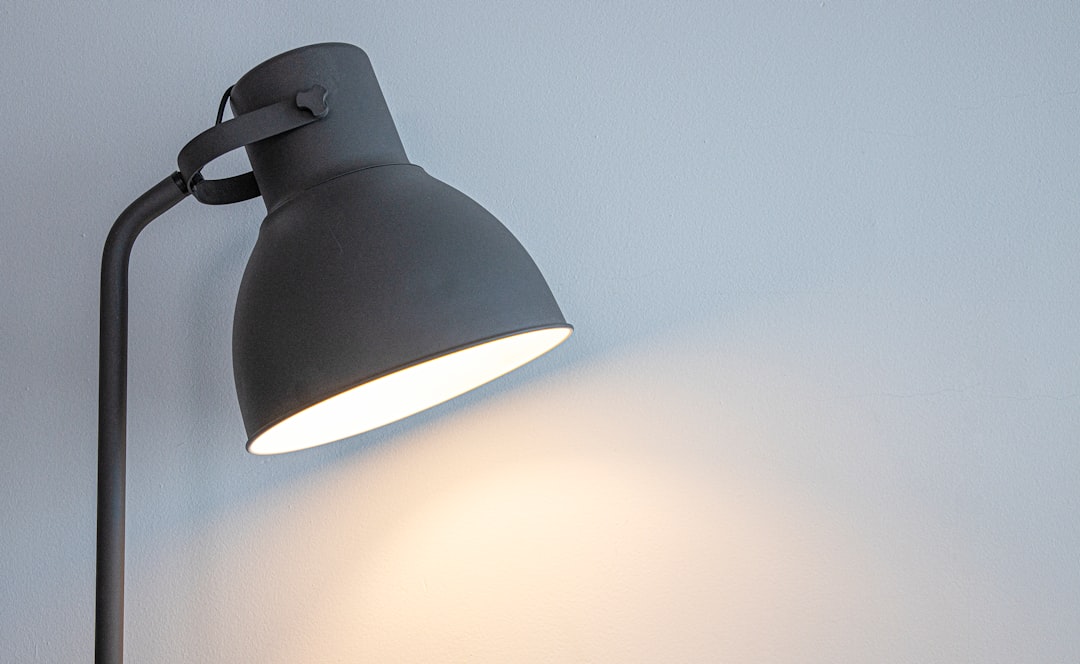
When it comes to desk lamps, “serious” isn’t usually the first word that springs to mind. But for those who appreciate craftsmanship, durability, and a touch of understated elegance, a desk lamp featuring genuine leather detailing can be a game-changer. It’s about more than just light; it’s about investing in a piece that feels substantial, ages beautifully, and elevates your workspace with its tactile quality and thoughtful design. These aren’t your run-of-the-mill plastic or thin metal lamps; they’re designed to be a focal point, a functional work of art that can last a lifetime.
You might wonder why leather is a good fit for a desk lamp. It’s not just for aesthetics, though it certainly brings that. Leather adds a level of sophistication and warmth that other materials struggle to match. It’s also incredibly durable and, with proper care, can develop a rich patina over time, telling a story of its use and age. This isn’t just about looking good; it’s about a material that feels good to the touch, grounding your workspace and adding a sense of luxury without being ostentatious.
The Tactile Experience
There’s a distinct difference when you interact with a lamp that incorporates leather. The cool, smooth feel of metal or plastic is replaced by a warm, slightly textured surface. Whether it’s a wrapped arm, a base accent, or a pull switch, that touch of leather elevates the everyday interaction. It transforms a utilitarian object into something more personal and enjoyable to use.
Durability and Longevity
Good quality leather is tough. It resists scratches and scuffs better than many painted or polished surfaces and, as mentioned, it ages gracefully. Unlike synthetic materials that can crack or fade, real leather often deepens in color and develops a unique sheen over years of use. This makes a leather-detailed lamp a long-term investment, one that you won’t need to replace in a few years.
A Touch of Understated Luxury
In a world increasingly dominated by mass-produced items, genuine leather stands out. It signals quality, attention to detail, and a commitment to craftsmanship. This doesn’t mean your lamp needs to scream “expensive.” Often, the best leather detailing is subtle – a wrapped joint, a base trim, or a handle. It’s about quiet luxury, enhancing the overall feel of your desk without being overly flashy.
Where Leather Appears: Common Design Elements
Leather isn’t typically the entire lamp. Instead, it’s used strategically as an accent, providing contrast and texture against other materials like metal, wood, or even high-quality plastics. Understanding where leather is most commonly incorporated can help you identify a well-designed piece.
Wrapped Stems and Arms
One of the most popular applications is wrapping the main stem or articulating arms of the lamp. This not only adds a tactile element but can also provide a comfortable grip if the lamp needs frequent adjustment. It also visually softens the often stark lines of metal.
- Comfortable Adjustment: When you reach to reposition the light, your hand meets a warm, yielding surface rather than cold metal. This might seem minor, but it contributes to a more pleasant user experience throughout the day.
- Visual Softening: Metal arms can sometimes look industrial or cold. Leather wrapping breaks up that aesthetic, introducing an organic element that makes the lamp feel more integrated into a home or refined office setting.
Base Accents
The base of a desk lamp is a natural place for leather detailing. It can be a full leather-wrapped base, a leather pad to protect your desk surface, or even a subtle leather trim around the edge. This grounding element adds weight and visual stability to the lamp.
- Desk Protection: A leather-bottomed base isn’t just for show; it also prevents scratches on your desk surface, especially if the lamp is heavy or moved frequently. This practical benefit aligns perfectly with the “serious” nature of these lamps.
- Aesthetic Weight: A leather-clad base often feels more substantial than an all-metal or plastic one. This adds to the perceived quality and stability of the lamp, making it feel less likely to tip over and more grounded in your workspace.
Lamp Head and Shade Details
While less common, some designs incorporate leather into the lamp head or shade. This could be a leather band around the edge of a metal shade, a leather handle for tilting the head, or even a small leather tag with branding. These details add a refined touch right at the source of the light.
- Heat Resistance (Carefully Chosen Leather): For lamp heads, the leather needs to be of a type that can withstand mild heat from the bulb, though with the prevalence of cool-running LEDs, this is less of a concern than it once was. Designers will carefully select appropriate leathers for these applications.
- Integrated Handles: A small leather loop or tab on a pivoting lamp head makes adjustments easy and comfortable, maintaining the tactile theme throughout the lamp’s design.
Cord Management and Switches
Sometimes, the leather details are found in unexpected places, like elegant leather straps for cord management or a leather-wrapped pull chain switch. These subtle touches reinforce the overall quality and attention to detail.
- Refined Cord Organization: Instead of unsightly plastic clips or ties, a small leather strap can artfully bundle and guide the power cord, making the entire setup look cleaner and more intentional.
- Elevated Switching Experience: A tactile leather-wrapped pull chain or toggle switch turns a simple on/off action into a more satisfying, deliberate interaction.
Choosing the Right Leather: Types and Finishes
Not all leather is created equal, and the type of leather used significantly impacts the lamp’s appearance, feel, and how it ages. Understanding these distinctions can help you appreciate the craftsmanship and make an informed decision.
Full-Grain vs. Top-Grain
- Full-Grain Leather: This is the highest quality leather. It includes the entire grain layer, complete with all its natural imperfections, marks, and unique textures. It’s incredibly durable, develops a beautiful patina over time, and breathes well. Lamps featuring full-grain leather are at the top end of the quality spectrum.
- Top-Grain Leather: This is the second-highest quality. It’s similar to full-grain but has had a thin layer of the natural grain sanded off and then been re-stamped with an artificial grain pattern. It’s still very durable but lacks some of the unique character and breathability of full-grain.
Vegetable-Tanned vs. Chrome-Tanned
The tanning process also plays a crucial role.
- Vegetable-Tanned Leather: This traditional method uses natural tannins found in bark, leaves, and other plant matter. It’s a slower, more artisanal process that results in leather that is firm, structured, and develops a rich, complex patina. It’s often used for items where structure and aging are key, making it ideal for lamp bases or wrapped arms that need to hold their shape.
- Chrome-Tanned Leather: This modern method uses chromium salts, resulting in a softer, more pliable, and typically thinner leather. It’s faster and less expensive to produce and is often used for upholstery or garments. While it can be durable, it generally doesn’t develop the same depth of patina as vegetable-tanned leather. For “serious” lamps, vegetable-tanned is often preferred for its character and rigidity.
Aniline, Semi-Aniline, and Pigmented Finishes
These refer to how the leather is dyed and protected.
- Aniline Leather: Dyed only with soluble dyes, allowing the natural surface of the leather to remain visible. It’s the most natural-looking, softest, and most breathable, but also the most susceptible to stains and fading. It develops the best patina.
- Semi-Aniline Leather: A light surface coating is applied in addition to the dye, offering more protection against stains and wear while still allowing some natural grain to show through. It’s a good balance of natural look and durability.
- Pigmented Leather: A thicker, opaque layer of pigment (paint) is applied to the surface, followed by a protective topcoat. This makes it highly durable, stain-resistant, and uniform in color, but it loses much of the natural feel and breathability of the leather. For a “serious” lamp focused on natural beauty and aging, aniline or semi-aniline are generally preferred.
The Aesthetic Impact: Integrating Leather into Your Workspace
A leather-detailed desk lamp isn’t just a functional item; it’s a design statement. It speaks to a particular aesthetic – one of curated quality, timelessness, and sophistication.
Blending with Traditional and Modern Styles
One of the beauties of leather is its versatility.
- Traditional: In a classic study or library, a lamp with rich, dark brown or oxblood leather, perhaps combined with brass or dark wood, perfectly complements antique furniture and a sense of gravitas. The leather feels at home among aged books and polished surfaces.
- Modern: Surprisingly, leather also works incredibly well in modern and minimalist settings. A lamp with clean lines, stainless steel, and a touch of natural tan or black leather can introduce warmth and texture without disrupting the sleek aesthetic. It prevents a minimalist space from feeling cold or sterile.
Creating Visual Warmth and Texture
Many modern workspaces can lean towards being sterile, with lots of metal, glass, and smooth surfaces. Leather introduces an organic element that immediately adds warmth and a desirable textural contrast. It breaks up monotony and invites the eye to linger.
- Counteracting Industrial Feel: If your desk or office has an industrial edge with exposed metals or concrete, a leather-wrapped lamp can soften these elements, making the space feel more inviting and less harsh.
- Adding Depth to Monochromatic Schemes: In an all-white, grey, or black office, a pop of natural leather color or the subtle texture of black leather can add much-needed depth and visual interest.
A Statement of Intent
Choosing a leather-detailed lamp often signifies a deliberate choice for quality and craftsmanship. It suggests an appreciation for materials that endure and improve with age, rather than being disposable. It tells anyone observing your workspace that you value things that are built to last and designed with care.
- Professional Gravitas: In a professional setting, a serious leather lamp can project an image of professionalism, attention to detail, and a reverence for quality, subtly influencing perceptions of your work environment.
- Personal Enjoyment: More importantly, it’s about your own enjoyment. A well-crafted object that you interact with daily can contribute significantly to your overall sense of well-being and satisfaction with your workspace.
Care and Maintenance: Keeping Leather Lamps Looking Their Best
Like any quality leather item, a leather-detailed desk lamp will benefit from a little care. This isn’t high-maintenance, but understanding the basics will ensure your lamp ages beautifully and its leather elements remain supple and attractive for years to come.
Regular Cleaning
- Dusting: The simplest step is regular dusting. Use a soft, dry cloth (microfiber works great) to gently wipe away dust from the leather surfaces. This prevents build-up and keeps the leather looking fresh.
- Spot Cleaning: For minor smudges or marks, dampen a clean cloth with distilled water (to avoid mineral deposits from tap water) and gently wipe the affected area. Avoid harsh rubbing. For tougher spots, a very small amount of mild, pH-neutral leather cleaner designed for finished leather can be used, but always test in an inconspicuous area first.
Conditioning
Just like your skin, leather can dry out over time, especially if exposed to dry air or direct sunlight.
- Frequency: Depending on your environment and how often you handle the leather, conditioning might be needed every 6-12 months. If the leather starts to look dull, feel stiff, or show fine cracks, it’s probably time.
- Product Choice: Use a high-quality leather conditioner, preferably one designed for the type of leather on your lamp (e.g., vegetable-tanned). Apply a small amount to a clean, soft cloth and gently rub it into the leather in small circular motions. Let it absorb for a few minutes, then buff off any excess with a clean, dry cloth. This replenishes natural oils and keeps the leather supple.
Protection and Prevention
- Avoid Direct Sunlight: Prolonged exposure to direct sunlight can fade leather and dry it out. Position your lamp where it’s not constantly bathed in harsh sun.
- Keep Away from Heat Sources: Extreme heat can also dry out and damage leather. Avoid placing the lamp directly next to radiators, heating vents, or other significant heat sources.
- Be Mindful of Liquids: While many leathers have some water resistance, it’s best to wipe up spills immediately. Blot, don’t rub, to prevent the liquid from soaking in.
- Sharp Objects: Be careful with sharp objects around the leather. While durable, leather can still be scratched or cut.
By following these simple care tips, your leather-detailed desk lamp won’t just illuminate your workspace; it will become a cherished, functional heirloom that grows more beautiful with every passing year. It’s an investment in both utility and enduring style.

