





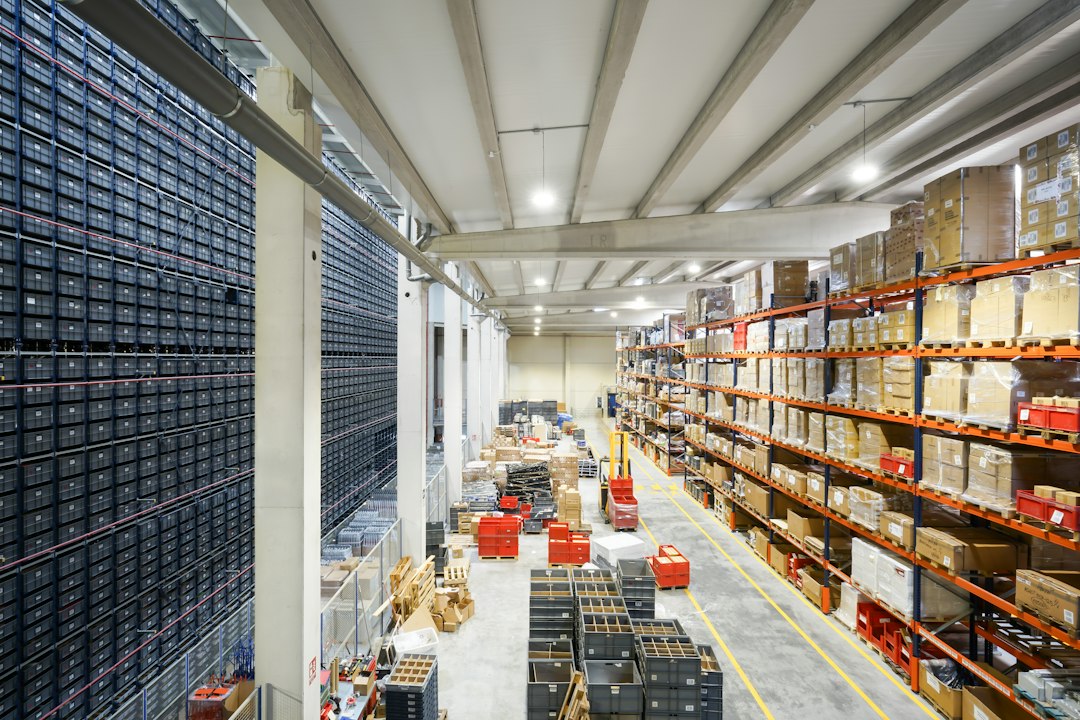
Warehouse lighting issues often boil down to a few common culprits: aging fixtures, inefficient technology, and poor design. The good news is that many of these problems have straightforward, cost-effective solutions that can significantly improve safety, productivity, and energy bills. We’re talking about things like flickering lights, inadequate illumination in specific areas, high energy consumption, and frequent bulb replacements. Addressing these isn’t just about throwing money at the problem; it’s about making smart choices that pay off in the long run.
Common Symptoms and Their Root Causes
When you’re dealing with lighting problems in a warehouse, it’s usually pretty obvious something’s amiss. But figuring out why it’s happening can sometimes feel like a detective game. Let’s break down some of the most frequent complaints and what’s typically behind them.
Dim or Uneven Lighting
This is a big one. You walk into an aisle, and it feels like dusk, while the next bay is blindingly bright. Or maybe the entire warehouse just feels perpetually gloomy.
Age and Degradation of Fixtures
Lighting technology, like everything else, degrades over time. Older fluorescent tubes or HID (High-Intensity Discharge) lamps, even if they’re still “working,” lose a significant portion of their lumen output as they age. This isn’t just about a bulb burning out; it’s a gradual, insidious dimming that can make the entire space feel underlit. The internal components of the fixtures themselves can also degrade, affecting performance. Dust and grime accumulating on diffusers and reflectors further exacerbate this problem, literally blocking light before it even gets a chance to illuminate the space.
Inadequate Initial Design or Layout
Sometimes, the problem isn’t about failing equipment, but simply that the lighting was never designed correctly in the first place. This could mean too few fixtures for the square footage, fixtures placed incorrectly relative to racking and aisles, or using the wrong beam angles for the tasks being performed. For instance, a wide flood light might be great for an open receiving area but completely useless in a narrow, high-bay picking aisle where you need concentrated light focused downward. This often happens when a warehouse changes its layout or purpose without updating its lighting plan.
Incorrect Lamp Type for the Application
Not all light sources are created equal. Using a general-purpose lamp in an area that requires high color rendering for intricate tasks, or a low-lumen lamp in a high-ceiling environment, will inevitably lead to dimness. Different lamp technologies have different strengths and weaknesses regarding light output, color temperature, and beam spread. Trying to force a square peg into a round hole here will always result in subpar illumination.
Flickering or Unreliable Lights
The “disco effect” in a warehouse isn’t usually a sign of a party; it’s a sign of a problem. Flickering lights are not only annoying but can cause eye strain, headaches, and even be a safety hazard, especially when operating machinery.
Failing Ballasts or Drivers
For fluorescent and many LED fixtures, a ballast (or LED driver) is a critical component that regulates the electrical current. When these start to fail, they can cause lamps to flicker, hum, take a long time to start, or not ignite at all. A failing ballast can also overheat, posing a potential fire risk, though this is less common with modern electronics. In older HID systems, ignitors or starters can fail, leading to similar symptoms.
Loose Wiring or Connections
Vibrations from forklifts, machinery, or even building movement can loosen electrical connections over time. A loose wire in the fixture, at the switch, or in the junction box can cause intermittent power, leading to flickering or complete failure. This is not only a performance issue but a significant safety concern, as loose connections can generate heat and arc, potentially leading to electrical fires.
Incompatible Dimming Systems
If a warehouse has dimmable lighting, using the wrong type of dimmer switch or an incompatible driver for the lamps can cause flickering, humming, or erratic dimming behavior. LED technology, in particular, requires specific dimming protocols (e.g., 0-10V, DALI, phase-cut), and mixing and matching components without understanding these can lead to major headaches.
High Energy Bills and Maintenance Costs
These aren’t always “visible” problems in the same way dim or flickering lights are, but they hit the bottom line hard. If your energy bills are consistently high, or your maintenance team is constantly replacing bulbs, your lighting system is likely a prime suspect.
Outdated Lighting Technology
Incandescent, older fluorescent, and traditional HID (metal halide, high-pressure sodium) lamps are energy hogs compared to modern LED alternatives. They convert a significant portion of their electricity into heat rather than light, which is pure waste. Transitioning to more efficient technologies can cut energy consumption dramatically, sometimes by 50% or more.
Lack of Controls
Many older warehouse lighting systems are simply “on” or “off.” They don’t have occupancy sensors, daylight harvesting capabilities, or scheduling features. This means lights are often left on in unoccupied areas, or at full brightness even when natural light could contribute. This is wasted energy. Smart controls can dynamically adjust lighting levels based on presence and ambient light, significantly reducing consumption without compromising safety or productivity.
Short Lamp Lifespan and Frequent Replacements
If your maintenance team is constantly on ladders replacing bulbs, it’s not just the cost of the lamps themselves; it’s the labor cost, the disruption to operations, and the safety risks associated with working at height. Short lamp lifespans can be due to using cheap, low-quality bulbs, operating lamps outside their optimal temperature range, or voltage fluctuations in the electrical system.
Effective Repair and Upgrade Strategies
Once you’ve identified the root causes, it’s time to talk solutions. Many problems can be addressed with targeted repairs, while others might necessitate a more comprehensive upgrade.
Targeted Repairs for Specific Issues
Sometimes, you don’t need a complete overhaul. A focused repair can often fix a problem quickly and economically.
Ballast/Driver Replacement
If flickering or non-starting lights are linked to failing ballasts or LED drivers, replacing just these components can be a cost-effective fix, especially if the fixture housing and lamps are still in good condition. Ensure the replacement ballast/driver is compatible with the existing lamps and electrical system. This requires a qualified electrician.
Wiring Inspection and Repair
For flickering or intermittent lights, a thorough inspection of all wiring – from the circuit breaker to the fixture – is crucial. Loose connections should be tightened, and any damaged or frayed wires should be replaced. This is a critical safety repair and should always be performed by a licensed electrician.
Fixture Cleaning
It sounds simple, but you’d be surprised how much light is absorbed by layers of dust, grime, and even spiderwebs on diffusers and reflectors. A regular cleaning schedule for your fixtures, especially in dusty environments, can dramatically improve light output without replacing a single component. Use appropriate cleaning solutions that won’t damage plastics or coatings.
Lamp Replacement (Like-for-Like)
If individual lamps are simply at the end of their life or have degraded significantly, replacing them with new lamps of the same type can restore light levels. While this doesn’t address underlying efficiency issues, it’s a quick way to resolve localized dimness or outright failures. Make sure to use lamps from a reputable manufacturer to ensure consistent performance and lifespan.
Strategic Upgrades for Long-Term Benefits
While repairs fix immediate problems, strategic upgrades address systemic issues, leading to significant long-term savings and improvements.
LED Retrofit or Replacement
This is often the most impactful upgrade. Replacing old fluorescent or HID fixtures with new LED luminaires, or simply retrofitting existing fixtures with LED “tubes” or kits, offers immediate benefits.
Energy Efficiency
LEDs consume significantly less power for the same or even greater light output. This translates directly into lower electricity bills.
Longer Lifespan
LEDs have much longer operational lifespans compared to traditional lamps – often 50,000 hours or more. This drastically reduces maintenance frequency and associated labor costs.
Improved Light Quality
LEDs offer a wide range of color temperatures and color rendering indexes (CRIs), allowing you to select lighting that enhances visibility, reduces eye strain, and improves the appearance of goods. They also provide instant on/off without warm-up times.
Durability
LEDs are solid-state devices, meaning they are more resistant to vibrations and impacts, making them ideal for high-traffic warehouse environments.
Adding Smart Lighting Controls
Implementing a lighting control system can unlock even greater savings after an LED upgrade.
Occupancy Sensors
These detect presence and automatically turn lights on when an area is occupied and off (or dim them) when it’s empty. Perfect for aisles, storage areas, and restrooms that aren’t constantly in use.
Daylight Harvesting
Sensors measure the amount of natural light available and dim artificial lights accordingly, maintaining consistent light levels while saving energy. Ideal for areas near windows or skylights.
Scheduling and Zoned Lighting
Program lights to turn on/off or dim at specific times, or create zones that can be controlled independently. This ensures lights are only on when and where they’re needed.
Redesigning Lighting Layouts
If the original design was flawed, a new lighting layout might be necessary. This involves:
Photometric Analysis
Using specialized software to simulate light distribution, ensuring adequate illumination levels (foot-candles/lux) for all tasks and areas.
Fixture Placement Optimization
Positioning new LED fixtures to avoid shadows from racking, optimize light coverage in aisles, and provide focused light where precision is needed (e.g., packing stations).
Beam Angle Selection
Choosing fixtures with appropriate beam angles – narrow for high-bay aisles, wider for open areas – to direct light efficiently without waste.
The Importance of Professional Assessment
While some basic troubleshooting can be done in-house, dealing with warehouse lighting, especially high-bay systems, is complex and involves significant electrical safety risks.
Why You Need a Lighting Professional
A qualified lighting professional brings expertise that extends beyond simply swapping out bulbs.
Comprehensive Audits
They can perform a detailed lighting audit, assessing current light levels, energy consumption, fixture health, and identifying specific problem areas. This provides a baseline for improvement.
Safety Compliance
Ensuring that all repairs and upgrades meet electrical codes and safety standards (e.g., OSHA requirements for minimum light levels) is paramount. Professionals are up-to-date on these regulations.
Optimized Design and Technology Selection
They can design a new lighting layout, recommend the most appropriate LED fixtures and controls for your specific warehouse environment, and calculate potential energy savings and return on investment (ROI). This ensures you get the right solution, not just a solution.
Maximizing Rebates and Incentives
Many utility companies and local governments offer rebates and incentives for energy-efficient lighting upgrades. A professional can help identify and apply for these, significantly reducing the upfront cost of your project.
What to Look for in a Lighting Partner
Choosing the right partner for your lighting project is crucial for a successful outcome.
Experience with Industrial/Warehouse Settings
Ensure they have a proven track record specifically in warehouse or industrial lighting projects. This environment has unique challenges (high ceilings, dust, temperature variations) that differ from office or retail settings.
Design and Engineering Capabilities
They should be able to conduct photometric studies and provide detailed lighting plans, not just sell you fixtures.
Turnkey Solutions
Ideally, they can handle the entire project from assessment and design to installation and post-installation support, simplifying the process for you.
Strong Warranties and Support
Look for companies that offer good warranties on both the products and their installation work, along with reliable post-project support.
Maintaining Your Lighting System
Once your lighting system is repaired or upgraded, don’t just forget about it. Proactive maintenance is key to maximizing its lifespan and continued performance.
Regular Cleaning Schedule
As mentioned earlier, dust and grime are the enemies of light. Establish a routine cleaning schedule for all fixtures, especially in areas with high particulate matter. This should be done safely, often requiring lifts or specialized equipment.
Periodic Inspections
Even with LEDs, components can fail. Schedule regular visual inspections of fixtures for signs of damage, flickering, or dimming. Check control systems to ensure sensors are clean and functioning correctly.
Monitoring Energy Consumption
Keep an eye on your energy bills. A sudden increase, without a corresponding increase in operational hours, could indicate a problem with your lighting system (e.g., sensors failing, lights staying on when they shouldn’t).
Keeping Records
Maintain detailed records of when lamps or fixtures were installed, when maintenance was performed, and any issues encountered. This helps track performance, anticipate future needs, and manage warranties.
The Bottom Line
Ignoring warehouse lighting issues isn’t just a minor inconvenience; it can directly impact safety, productivity, and your operational budget. By understanding the common problems and embracing effective repair and upgrade strategies, particularly the move to LED technology and smart controls, you can transform a problematic system into a high-performing, energy-efficient asset. Investing in a professional assessment and quality maintenance will ensure your warehouse remains brightly lit, safe, and productive for years to come.

