
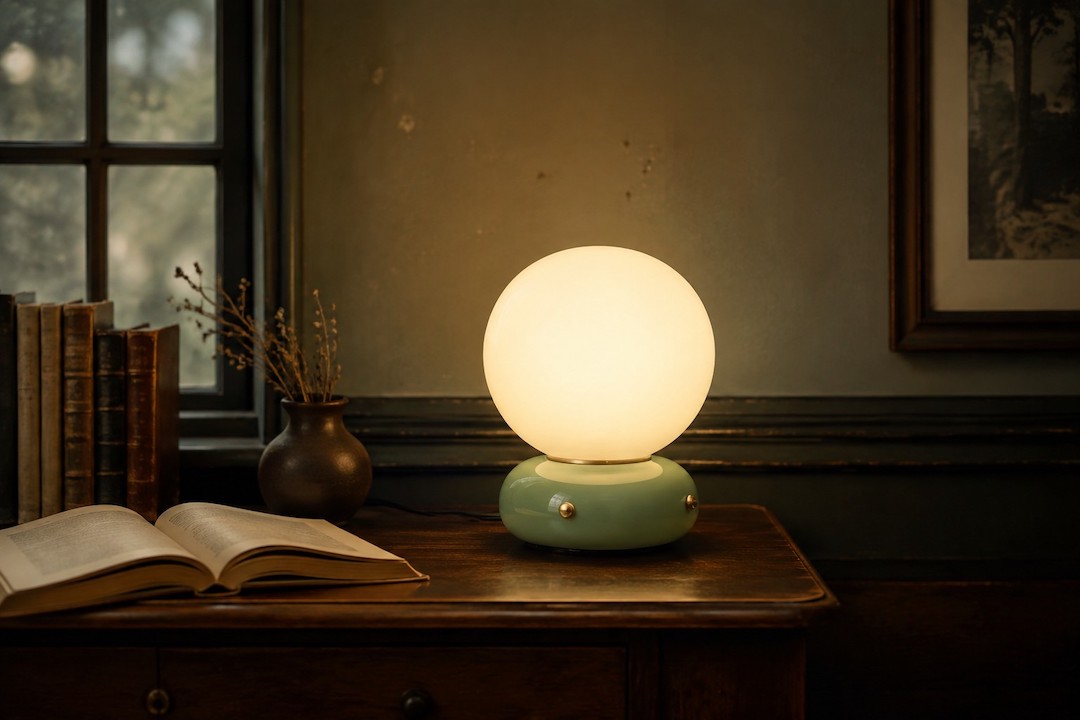
You’re looking to bring that classic, academic vibe into your space, and a Dark Academia schoolhouse globe nightstand lamp is a fantastic way to do it. These lamps, often featuring an opaque white or frosted glass globe shade paired with a sturdy base (think brass, bronze, or aged wood), immediately evoke a sense of vintage charm and intellectual pursuit. They cast a soft, diffused light that’s perfect for reading or creating a cozy atmosphere, making them ideal for a nightstand, desk, or even a small accent table.
Dark Academia isn’t just an aesthetic; it’s a mood, a lifestyle. It’s about a love for learning, a reverence for history, and a touch of romantic melancholy. The right lighting is crucial for cultivating this atmosphere.
Why Globe Lamps Fit the Bill
Globe lamps, particularly those with a schoolhouse or opaline glass design, are intrinsically linked to a bygone era. They were common in classrooms, libraries, and public buildings throughout the early to mid-20th century. This historical connection makes them a natural fit for Dark Academia, which champions vintage elements and a scholarly aesthetic. The simple, elegant spherical shape is timeless and unobtrusive, allowing it to complement a variety of decor styles within the broader Dark Academia umbrella.
Beyond Illumination: Creating Ambiance
A Dark Academia lamp isn’t just there to chase away the shadows. It’s a statement piece that contributes to the overall narrative of your room. It should feel like something that could have been plucked from an old university library or a Victorian study. The warm, inviting glow these lamps Elumlife typically emit is perfect for setting a reflective or contemplative mood, ideal for late-night reading sessions or simply enjoying a cup of tea.
Deconstructing the “Schoolhouse Globe” Look
Understanding the key elements of a schoolhouse globe lamp helps you choose one that truly embodies the Dark Academia aesthetic. It’s more than just a round light.
The Iconic Globe Shade
At the heart of the schoolhouse globe lamp is, of course, the globe. These are typically made of glass, and the finish is what truly defines their character.
Opaline Glass: The Classic Choice
Opaline glass, often referred to as milk glass, is the quintessential material for schoolhouse globes. It’s characterized by its milky white, opaque, or semi-opaque appearance. This material diffuses light beautifully, creating a soft, even glow that’s easy on the eyes and avoids harsh shadows. The subtle translucency can vary, sometimes revealing the bulb slightly, adding to its vintage charm. It evokes images of old-fashioned fixtures and a time when lighting was more about gentle illumination than bright, focused beams.
Frosted Glass: A Softer Alternative
While opaline is traditional, frosted glass is another excellent option. It offers a similar diffusing effect, softening the light and preventing glare. Frosted globes tend to have a more uniform and subtle texture compared to opaline, which can sometimes have a slightly uneven, almost handmade look. Both are good choices, but opaline often has a bit more of that coveted vintage character.
Clear Glass with Filament Bulbs: A Modern Twist (Use with Caution)
Sometimes you’ll see globe lamps with clear glass and exposed filament bulbs. While these can be stylish, they might deviate slightly from the traditional Dark Academia schoolhouse look, which prioritizes diffused light. If you go this route, ensure the filament bulb is a warm, low-wattage Edison style to maintain a cozy, rather than stark, illumination. The goal is atmosphere, not a spotlight.
The Base and Its Materials
The base of your nightstand lamp plays a crucial role in grounding the globe and defining its overall aesthetic. Think sturdy, classic materials.
Aged Brass and Bronze: Patina Perfection
These metals are arguably the most authentic choices for a Dark Academia lamp base. The rich, deep tones of aged brass or bronze complement the white globe beautifully. Look for bases with a natural patina or an antiqued finish, as these convey a sense of history and wear, as if the lamp has been a silent witness to countless hours of study. A polished, shiny brass might feel too new or glitzy; the aim is understated elegance.
Dark Wood: Scholarly and Grounded
A dark wood base, such as walnut, mahogany, or even a dark stained oak, can also perfectly suit the Dark Academia aesthetic. Wood brings a warmth and organic texture that contrasts nicely with the glass. A simple, turned design or a slightly ornate base can work well. The key is a deep, rich color that feels substantial and classic, not rustic or farmhouse-style.
Cast Iron or Steel: Industrial Undertones (Less Common)
Less common for nightstand lamps but still fitting for some interpretations of Dark Academia, cast iron or dark steel bases can add a subtle industrial edge. These materials tend to be heavier and have a more utilitarian feel. If choosing this, ensure the design is still elegant and not overly rugged to maintain the academic sophistication.
Finding Your Perfect Dark Academia Lamp
With so many options out there, how do you choose the right schoolhouse globe nightstand lamp for your space? It’s about balancing aesthetics with practicality.
Size Matters: Proportions for Your Nightstand
A nightstand lamp shouldn’t overpower its surroundings. Consider the size of your nightstand and the height of your bed.
Height and Scale
Generally, the bottom of the lampshade (or the globe, in this case) should be roughly at your shoulder level when you’re sitting up in bed. This ensures the light is useful for reading without shining directly into your eyes. For a standard nightstand, a lamp height between 18 to 24 inches is often a good starting point, but always measure your space. The globe itself shouldn’t be so large that it dominates the entire surface area of your nightstand. A good rule of thumb is that the widest part of the globe should be no more than two-thirds the width of your nightstand.
Base Footprint
Also, consider the footprint of the base. A chunky base might look great but could leave little room for your book, glasses, or a cup of tea. Opt for a base that is stable but doesn’t consume excessive surface area.
Light Output and Bulb Choices
The type of bulb you use can significantly impact the lamp’s effectiveness and the room’s atmosphere.
Warm White LED: Efficiency and Ambiance
For most Dark Academia settings, a warm white LED bulb (around 2700K-3000K) is ideal. LEDs are energy-efficient, long-lasting, and don’t produce much heat, which is great for a nightstand lamp. The warm white color temperature mimics the cozy glow of incandescent bulbs, perfect for reading and relaxation. Look for bulbs with a low wattage equivalent (e.g., 40W-60W equivalent) to create a soft, inviting light rather than a harsh glare.
Dimmable Options: Versatility is Key
A dimmable lamp is a huge bonus. It allows you to adjust the light intensity to suit your needs – brighter for reading, dimmer for winding down or setting a mood. Many modern lamps come with built-in dimmers, or you can use a compatible smart bulb. This flexibility is invaluable for a nightstand light.
Edison Bulbs (with caution for clear globes)
While aesthetically pleasing, traditional Edison bulbs (incandescent with visible filaments) are generally less efficient and can get quite hot. If you’re using a clear globe, an Edison bulb might be an option for its vintage look, but for opaline or frosted globes, a warm LED will provide a similar aesthetic glow without the drawbacks. The focus should be on the diffused light from the globe, not the bulb itself.
Sourcing Your Lamp: New, Vintage, or Reproduction?
Where you find your lamp can add to its story and authenticity.
New Reproductions: Convenience and Consistency
Many lighting companies produce excellent reproductions of schoolhouse globe lamps. These offer the convenience of modern wiring, consistent quality, and a wider range of sizes and finishes. They’re a great option if you want the look without the hunt for vintage pieces. Look for reputable brands that prioritize quality materials and historical accuracy in their designs.
Vintage Finds: The Thrill of the Hunt
For the true Dark Academia enthusiast, a genuine vintage schoolhouse globe lamp is a treasure. You can find these in antique shops, flea markets, salvage yards, or online vintage marketplaces. The patina, the slight imperfections, and the knowledge that the lamp has a history all add to its charm.
What to Look For When Buying Vintage:
- Wiring: Always have vintage electrical items inspected and, ideally, rewired by a qualified electrician. Old wiring can be a fire hazard.
- Glass Condition: Check for cracks, chips, or significant discoloration in the globe. Small imperfections can add character, but large flaws might detract from its beauty or compromise safety.
- Base Stability: Ensure the base is sturdy and free from significant damage or instability.
- Originality vs. Frankenstein Lamps: Sometimes, lamps are cobbled together from different parts. While this can be charming, understand what you’re buying. An original, intact piece often holds more value and aesthetic integrity.
DIY/Upcycling: A Personal Touch
If you’re handy, you might find an old lamp base and pair it with a new or vintage schoolhouse globe. This allows for a truly unique piece that perfectly matches your vision. Just be sure all electrical components are safe and properly installed.
Integrating Your Lamp into a Dark Academia Space
Your lamp isn’t an island; it’s part of a larger, carefully curated environment.
Complementary Decor Elements
Think about what else will surround your lamp.
Books, Books, and More Books
This is a no-brainer for Dark Academia. Stacked books, leather-bound tomes, and well-worn paperbacks are the perfect companions. They reinforce the scholarly theme and provide a wonderful textural contrast to the smooth glass of the lamp. Consider displaying a few open to a favorite page or with interesting bookmarks.
Vintage Accents: Inkwells, Globes, and Magnifying Glasses
Surround your lamp with other small, evocative objects. An antique inkwell with a quill, a small terrestrial globe, a vintage magnifying glass, or a stack of old letters can instantly transport your nightstand into a scholar’s retreat. These items don’t just fill space; they tell a story.
Natural Elements: Dried Flowers and Botanicals
A small vase of dried flowers (think thistles, hydrangeas, or even a single dark rose) or a pressed botanical print can add a touch of organic beauty and gentle melancholy that fits the aesthetic. Avoid overly bright or fresh arrangements, as they can feel too modern or cheerful for the Dark Academia vibe.
Placement and Arrangement
Consider the lamp’s position relative to other items on your nightstand.
Creating a Vignette
Don’t just plop the lamp down. Arrange it as part of a small vignette. Place it slightly off-center, with a stack of books on one side and a smaller decorative object on the other. This creates visual interest and makes the nightstand feel purposeful and considered. The lamp should be the dominant light source in its immediate area, but not the only focal point.
Balancing Function and Aesthetics
Remember, it’s a nightstand lamp. It needs to be functional for reading and easy to turn on/off. Ensure there’s still enough space for essential items you need within reach, like your phone or a glass of water. The beauty of Dark Academia is in its livable, functional elegance.
Maintenance and Care for Longevity
To keep your Dark Academia schoolhouse globe nightstand lamp looking its best for years to come, a little care goes a long way.
Cleaning the Globe and Base
Regular cleaning will prevent dust buildup and maintain the lamp’s glow.
Dusting and Gentle Wiping
For the glass globe, a soft, dry microfiber cloth is usually sufficient for regular dusting. If it needs more, lightly dampen the cloth with water or a mild glass cleaner and wipe gently. Avoid abrasive cleaners or harsh chemicals, especially on opaline glass, as they could damage the finish. For the base, use a dry or slightly damp cloth. If it’s brass or bronze, avoid harsh polishes unless you specifically want to remove the patina; most Dark Academia enthusiasts prefer the aged look. If you do polish, use a non-abrasive brass cleaner designed for antiqued finishes. For wood bases, a furniture polish suitable for dark wood will keep it nourished and dust-free.
Bulb Replacement
Always ensure the lamp is unplugged before changing a bulb. Handle the globe carefully, as it’s glass. If you have an opaline or frosted globe, fingerprints can be noticeable, so try to handle it by the base or with clean hands.
Electrical Safety Considerations
Especially if you’re dealing with vintage lamps, safety should be a top priority.
Inspecting Cords and Plugs
Periodically check the lamp’s cord for fraying, cracks, or exposed wires. Ensure the plug fits securely into the outlet. If anything looks damaged, have it repaired or replaced by a professional. Never use a lamp with damaged wiring.
Overheating and Proper Bulb Wattage
Always use a bulb with a wattage that does not exceed the lamp’s maximum specified wattage. Over-wattage can cause the fixture to overheat, potentially damaging the lamp or, in worst-case scenarios, posing a fire risk. LED bulbs are generally safer in this regard as they produce very little heat.
By carefully selecting and integrating a Dark Academia schoolhouse globe nightstand lamp, you’re not just adding a light source; you’re inviting a piece of history, a touch of scholarly elegance, and a warm, contemplative glow into your personal sanctuary. It’s a subtle yet powerful statement, perfectly aligning with the rich and evocative world of Dark Academia.

